Collagen Types 1, 2 and 3: Which Is Best for Joints?
By the JointReliveX Editorial Team · Evidence-reviewed, informational only · Updated 9 August 2026 · about an 8-minute read
Which collagen type is best for joints?
For joints specifically, type II collagen is the one that matters, because it is the primary structural collagen in cartilage. Types I and III dominate skin, bone and tendons, so they are better matched to skin and connective-tissue goals. The practical move is to match the collagen type to what you actually want to support.
- Type II → cartilage and joints (hydrolyzed or undenatured UC-II).
- Types I and III → skin, hair, nails, bone and tendons.
- Multi-collagen blends cover several bases but at smaller per-type doses.

Collagen is the most abundant protein in the body — the scaffolding that holds skin, bone, tendon and cartilage together. But "collagen" on a label is a simplification. There are at least 28 known types, and three of them account for the vast majority of what supplements contain: types I, II and III. They are not interchangeable. Each is built for a different tissue, which is exactly why the type you choose should depend on your goal. Buying a skin-focused collagen and expecting joint results — or vice versa — is one of the most common mismatches in the supplement aisle.
The three types that matter
Type I is the workhorse. It makes up roughly 90% of the collagen in your body and is the dominant protein in skin, bone, tendons and ligaments. When collagen is marketed for skin elasticity, hair, nails or bone support, type I is usually doing most of the talking. It is commonly sourced from bovine (cow) hide or from marine (fish) collagen, the latter prized for small, well-absorbed peptides.
Type II is the joint specialist. It is the principal structural collagen in articular cartilage — the smooth, load-bearing tissue at the ends of bones — and it is the type used in joint-targeted collagen products. It is typically sourced from chicken sternum cartilage. If your reason for taking collagen is joint comfort or cartilage support, type II is the one to look for on the panel.
Type III travels with type I. It is found in skin, blood vessels and internal organs and helps form the early framework that type I later reinforces. You will almost always see it paired with type I in skin-and-bone formulas rather than on its own.
Match the type to the goal
This is the whole game. The tissue you want to support tells you which collagen type belongs on your label:
- Joints and cartilage: type II.
- Skin, hair and nails: types I and III.
- Bone and tendon: mainly type I (with III alongside).
- A bit of everything: a multi-collagen blend spanning I, II, III (and sometimes V and X).
One honest note about evidence: the research base is strongest and most consistent for skin outcomes with type I peptides, and for joint outcomes there is a smaller but growing set of trials on type II collagen. As always, a finished supplement is not the same as a studied dose — which brings us to how these are actually formulated.

Hydrolyzed multi-collagen vs undenatured UC-II
Two very different philosophies sit under the "type II" heading, and confusing them leads to bad label comparisons.
Hydrolyzed collagen (also called collagen peptides) has been enzymatically broken into small fragments so it absorbs easily. This is how most collagen — type I, III and hydrolyzed type II — is sold, and it is dosed in grams, often 2.5 to 10 g per serving. The idea is to flood the body with amino acids and peptides that support collagen-building tissues.
Undenatured type II collagen (UC-II) takes the opposite approach. It is deliberately kept in its native, folded three-dimensional shape and used at a tiny dose — around 40 mg. Rather than acting as raw building material, UC-II is thought to work through an immune-tolerance pathway in the gut that helps calm the body's response to cartilage. Because the mechanism is entirely different, its milligram number cannot be compared with hydrolyzed collagen's gram number. A 40 mg UC-II product is not "weaker" than a 10 g peptide product — they are simply not measured on the same scale.
The takeaway: if you see 40 mg of type II collagen, that is almost certainly undenatured UC-II doing its own thing — not an under-dosed peptide product. Read which form it is before you judge the dose.
How the types compare
| Type | Where it dominates | Best matched goal |
|---|---|---|
| Type I | Skin, bone, tendon, ligament | Skin, hair, nails, bone |
| Type II | Articular cartilage | Joints and cartilage |
| Type III | Skin, vessels, organs | Skin (paired with type I) |
Reading a collagen label without being fooled
A few practical habits will save you money and disappointment:
- Find the types. A quality label states which types (I, II, III) it contains, not just "collagen."
- Check the form and dose together. Grams usually mean hydrolyzed peptides; roughly 40 mg usually means undenatured UC-II. Judge the number against the form.
- Match source to type. Marine and bovine skew type I; chicken cartilage supplies type II. The source hints at what you are really buying.
- Be realistic about blends. A multi-collagen is convenient, but each type may be present only in a small amount, so a single-goal product can deliver a more studied dose.
- Give it weeks. Whichever type you choose, collagen works gradually. Skin and joint studies typically run 8 to 24 weeks before measuring results.
Does collagen need a cofactor?
One detail the marketing rarely mentions: your body cannot build collagen properly without vitamin C, which is an essential cofactor for the enzymes that stabilise the collagen structure. That does not mean a collagen supplement is useless on its own, but it does mean the raw material works within a bigger nutritional picture — adequate protein overall, vitamin C, zinc and copper all play supporting roles. If you eat a reasonably varied diet you likely already have what you need; if your diet is narrow, that context matters more than the specific brand of collagen you buy. It is also why some products pair collagen peptides with added vitamin C.
And a note for plant-based readers: there is no true vegan collagen, because collagen is an animal protein. So-called "vegan collagen builders" instead supply the amino acids and cofactors your body uses to make its own — a legitimate but different approach that should not be confused with the type I, II and III collagen discussed here.
Where JointReliveX fits — honestly
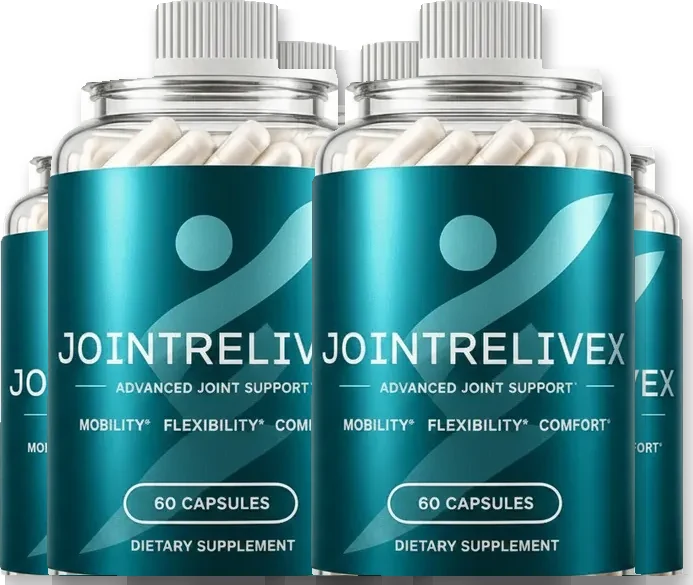
To be clear, JointReliveX is not a collagen product. It takes a different route to joint support: the cartilage-matrix ingredients glucosamine and chondroitin, paired with anti-inflammatory botanicals — turmeric, boswellia and bromelain. Collagen (especially type II) and this cartilage-matrix-plus-botanical approach are two legitimate strategies aimed at the same everyday goal of joint comfort, and neither is a cure. If you are weighing collagen against a formula like JointReliveX, the sensible comparison is which mechanism, dose and evidence base suit you — and, if you take medication or have a health condition, a quick word with your clinician first.
Frequently asked questions
Which collagen type is best for joints?
Type II collagen is the one most associated with joints, because it is the main structural collagen in cartilage. If joint support is your goal, type II - whether hydrolyzed or as undenatured UC-II - is the type to look for. Types I and III are aimed more at skin, bone and connective tissue than at cartilage.
What is type II collagen used for?
Type II collagen is the dominant protein in articular cartilage, the smooth tissue that cushions the ends of bones. In supplements it is used specifically for joint and cartilage support, and it comes in two main forms: hydrolyzed type II, which is broken into small peptides, and undenatured type II (UC-II), which is kept in its native folded shape and used at a much smaller dose.
Is multi-collagen good for both skin and joints?
It can be a reasonable all-rounder. Multi-collagen blends usually combine types I and III for skin, hair, nails and bone with some type II for cartilage. The trade-off is dose: a blend may contain only a small amount of each type, so if one goal really matters to you, a targeted single-type product may deliver a more studied amount.
How is UC-II different from type II hydrolyzed collagen?
They are the same protein handled two different ways. Hydrolyzed type II is broken down into small peptides and taken in gram-sized doses. UC-II is undenatured - kept in its original three-dimensional shape - and works through a different, immune-related pathway at a tiny dose of around 40 mg. Because the mechanisms differ, you cannot compare their milligram numbers directly.
Related reading
- Undenatured Type II Collagen (UC-II) Explained
- How Long Does Collagen Take to Work for Joints?
- Collagen vs Glucosamine for Joint Support
References
See the full JointReliveX review
Every ingredient, the current sale pricing and the 60-day guarantee — in one place.
Order Now