Glucosamine, Chondroitin and Turmeric for Joint Pain: What the Research Really Shows
By the JointReliveX Editorial Team · Updated 1 August 2026 · about a 7-minute read
The short version
For joint pain, the ingredient with the strongest evidence is curcumin (from turmeric), followed by boswellia serrata — both have reduced knee osteoarthritis pain in randomised trials. Glucosamine and chondroitin, the household names, have a genuinely mixed record: large well-run trials found little benefit over placebo overall, with a possible signal in more severe knee pain. None of these is a cure, and all of them work over weeks, not days.
Why joint supplements are sold together
Everyday joint discomfort has two drivers: gradual wear on cartilage, and low-grade inflammation around the joint. That is why so many joint formulas pair a cartilage-matrix ingredient (glucosamine, chondroitin) with an anti-inflammatory botanical (turmeric, boswellia). The logic is reasonable. The evidence for each piece, though, is not equal — and honesty about that is the whole point of this article.
Glucosamine and chondroitin: the mixed household names
Glucosamine and chondroitin are natural components of cartilage, and supplementing them is meant to support the matrix over time. They are the best-known joint ingredients — and, awkwardly, the weakest part of the evidence story.
The landmark trial is the NIH-funded GAIT study, which tested glucosamine, chondroitin, both together, celecoxib and placebo in knee osteoarthritis. Overall, neither supplement beat placebo by a meaningful margin. There was a possible benefit in the subgroup with moderate-to-severe pain, but that finding was exploratory and did not hold up as strongly on follow-up. Cochrane reviews and guideline bodies have landed in different places: some recommend against routine use, others allow them as low-risk options for people who want to try.
The fair summary: glucosamine and chondroitin are low-risk, inexpensive and might help some people with more severe knee pain — but you should not expect much, and the average effect in trials is small.
One practical caveat: both are commonly derived from shellfish, which matters if you have a shellfish allergy.
Turmeric (curcumin): the strongest ingredient here
Curcumin, the active compound in turmeric, is the standout. Multiple randomised trials and meta-analyses have found that standardised curcumin extracts reduce knee osteoarthritis pain, in several studies to a degree comparable with non-steroidal anti-inflammatory drugs — but without the same gastrointestinal burden. The catch is bioavailability: plain curcumin is poorly absorbed, so the specific extract and any absorption enhancer genuinely matter. When you read a label, the curcumin details are worth more attention than the glucosamine number.
Boswellia serrata: smaller but consistent
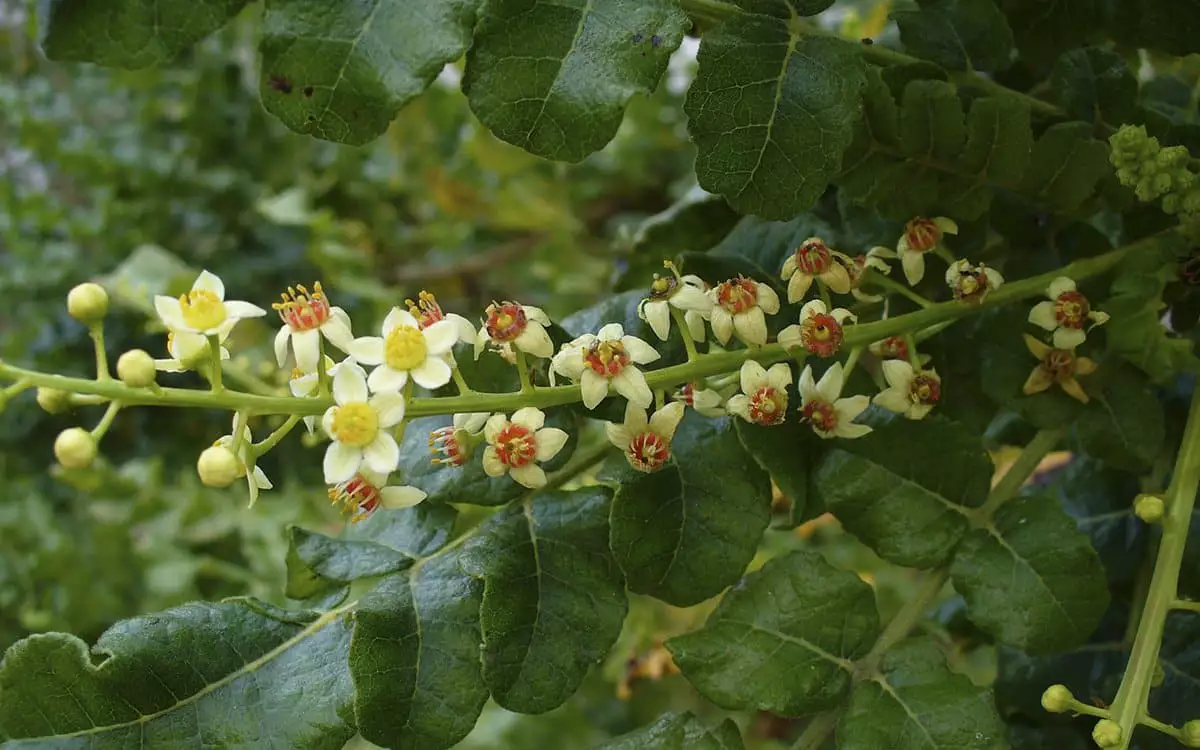
Boswellia serrata is an anti-inflammatory resin whose boswellic acids are the active compounds. Its trial base is smaller than curcumin's, but reasonably consistent: several studies show improved pain and function in knee osteoarthritis over a few weeks to a few months. Like curcumin, standardised extracts are the ones that were studied, so standardisation on the label matters.
Bromelain: a supporting role
Bromelain, a pineapple enzyme, is often added for its anti-inflammatory reputation and to help absorb the other actives. Joint-specific clinical evidence for it is limited, so it is best treated as a supporting ingredient rather than a proven active in its own right.
How the ingredients compare
| Ingredient | Strength of joint evidence | What it targets |
|---|---|---|
| Curcumin (turmeric) | Reasonably strong (knee OA) | Inflammation |
| Boswellia serrata | Smaller but consistent | Inflammation |
| Glucosamine | Mixed / weak overall | Cartilage matrix |
| Chondroitin | Mixed / weak overall | Cartilage matrix |
| Bromelain | Limited joint-specific data | Inflammation / absorption |
What this means if you are considering JointReliveX
JointReliveX combines all five of these. That is a sensible way to cover both the structural and inflammatory sides of joint discomfort — and it means the formula leans on curcumin and boswellia, its better-evidenced ingredients, rather than on glucosamine alone. Two honest reminders, though. First, a finished multi-ingredient supplement is not the same as any single studied dose, so check the milligram amounts on the Supplement Facts panel against what trials actually used. Second, none of this is a treatment: if you have persistent or worsening joint pain, swelling or stiffness, that needs a clinician, not a capsule.
References
Frequently asked questions
Which joint ingredient has the strongest evidence?
Curcumin, the active compound in turmeric, has the most convincing recent record. Multiple randomised trials and meta-analyses find standardised curcumin extracts reduce knee osteoarthritis pain, in several studies comparably to non-steroidal anti-inflammatories. Boswellia serrata is second, with a smaller but reasonably consistent trial base. Glucosamine and chondroitin, despite being the household names, have the weakest and most mixed evidence.
Do glucosamine and chondroitin actually work?
The record is genuinely mixed. The NIH-funded GAIT trial found neither beat placebo by a meaningful margin overall, with only a possible signal in the subgroup with moderate-to-severe knee pain that did not hold up strongly on follow-up. They are low-risk and inexpensive, so some people try them, but the average effect in well-run trials is small.
Why does the form of curcumin on the label matter?
Plain curcumin is poorly absorbed, so a standardised extract with an absorption enhancer is what the successful trials actually used. A label listing a large milligram figure of ordinary turmeric powder is not the same as the studied extract. When comparing joint formulas, the curcumin form and standardisation deserve more attention than the headline glucosamine number.
Can a joint supplement replace treatment for arthritis?
No. Osteoarthritis and other joint conditions can need proper diagnosis and management, and these supplements are studied for comfort and support rather than as a cure. They work over weeks, not days. If you have persistent, worsening or swollen joints, or pain after an injury, that is a medical situation and a clinician is the right first step.
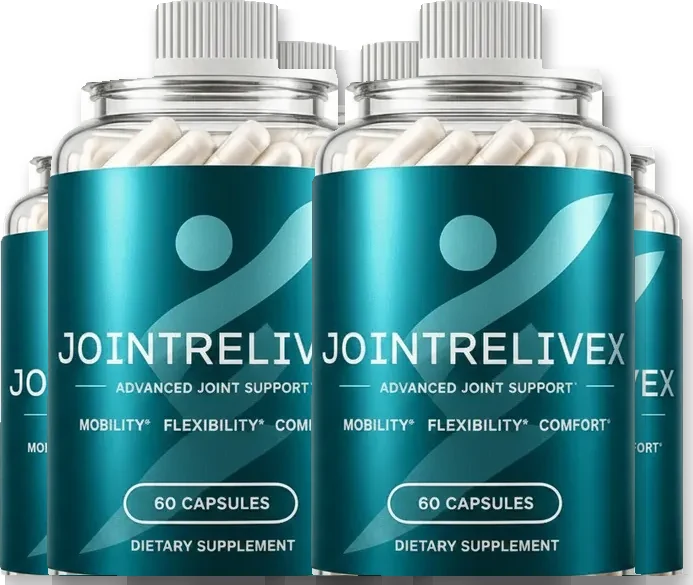
See the full JointReliveX review
Every ingredient, the current sale pricing and the 60-day guarantee — in one place.
Order Now