Morning Joint Stiffness: Causes and Fixes
Why are joints stiff in the morning, and what helps?
Overnight, joints sit still for hours, their lubricating fluid thickens slightly, mild swelling settles and any inflammation goes unflushed — so they feel tight until you move. Brief stiffness is normal; stiffness lasting over 30 to 60 minutes can signal inflammatory arthritis. Gentle mobility, warmth and hydration loosen joints fastest.
- The overnight cause: stillness, thicker joint fluid, mild swelling, inflammation.
- The duration clue: over 30–60 minutes is a red flag worth checking.
- The quick fix: move gently, add warmth, hydrate.
What actually happens to joints overnight
That tight, creaky feeling in the first minutes of the day is one of the most common joint complaints there is. It has a straightforward physical explanation — several things happening at once while you sleep:
- Hours of stillness. Joints are designed to move. Movement circulates the fluid that lubricates and feeds cartilage; a long spell of inactivity lets everything settle and “set.”
- Thicker joint fluid. Synovial fluid, the joint's natural lubricant, behaves a bit like grease — it flows more freely when warm and worked, and becomes more viscous when cool and undisturbed overnight.
- Mild fluid settling. Small amounts of swelling around a joint can pool while you are horizontal and still, adding to the sense of tightness.
- Unflushed inflammation. Any low-grade inflammation is not being cleared by the pumping action of movement, so its by-products linger until you get going.
Put together, these explain why the first steps to the bathroom can feel stiff and why the feeling usually melts away once you are up and moving. It is the joint equivalent of a cold engine warming up.
How long is “normal”? The duration clue
The single most useful thing to notice about morning stiffness is not how intense it is, but how long it lasts. Clinicians use duration as a rough dividing line:
| Pattern | What it often suggests |
|---|---|
| Loosens within ~15–30 minutes | More typical of wear-related (osteoarthritis) or simple inactivity |
| Lasts longer than 30–60 minutes | More suggestive of an inflammatory arthritis — worth medical review |
| Both sides, with swelling or warmth | A stronger inflammatory clue — see a clinician |
Prolonged morning stiffness — the kind that keeps a joint stubborn for an hour or more, especially on both sides of the body — is a recognised clue that points toward an inflammatory process rather than ordinary wear.
This is a guide, not a diagnosis. Plenty of people have brief, harmless stiffness after a hard workout, an awkward sleeping position, or simply a still night as they get older. But if the pattern above sounds familiar — long-lasting, symmetrical, with visible swelling — that is a conversation to have with a doctor rather than something to manage alone.
Practical fixes that loosen joints faster
For everyday, short-lived stiffness, the fixes are simple, cheap and low-risk. The theme is the same one that caused the problem in reverse: get things moving and warm.
1. Move before you demand much of the joint
A few minutes of gentle range-of-motion work — ankle circles, knee bends, shoulder rolls, a slow walk around the house — pumps fluid back through the joint and is by far the fastest reliever. Some people keep a two-minute in-bed mobility routine before standing up. The goal is easy movement, not exercise.
2. Add warmth
Heat lowers the viscosity of joint fluid and relaxes the surrounding muscles. A warm shower, a heat pack, or simply a warmer bedroom can noticeably shorten how long you feel stiff. This is why stiffness often feels worse on cold mornings.
3. Stay hydrated
You lose fluid overnight, and mild dehydration does the surrounding soft tissues no favours. A glass of water on waking is a small, sensible habit.
4. Play the long game with lifestyle
Day-to-day stiffness responds to the same fundamentals as joint health generally: regular movement so joints rarely go long without use, good sleep and weight management to reduce load and inflammation, and an omega-3-rich, anti-inflammatory diet that is associated with a calmer inflammatory profile. None of these is a quick fix, but together they tend to make mornings easier over weeks and months.

A simple five-minute wake-up routine
You do not need a gym or any equipment — the aim is gentle, pain-free movement that wakes the joints before you ask them to carry you around. A sequence many people find useful, done slowly and within a comfortable range:
- In bed: ankle circles and pointing/flexing the feet, then slow knee-to-chest movements, ten each side.
- Sitting on the edge of the bed: straighten and bend each knee a few times; roll the shoulders and gently turn the neck side to side.
- Standing: a few slow half-squats or sit-to-stands from a chair, plus gentle back and hip rotations.
- Add warmth: a warm shower while you loosen up, or a heat pack on the stiffest joint.
- Rehydrate: a glass of water before coffee.
None of this is strenuous, and that is the point — you are circulating joint fluid and warming tissues, not training. Most people find the routine takes the edge off within a few minutes.
Does your sleep setup matter?
Sometimes morning stiffness owes as much to how you slept as to your joints themselves. A too-soft or worn-out mattress, an awkward pillow height, or hours held in one cramped position can leave the neck, back, hips and shoulders feeling tight on waking. It is worth checking that your setup keeps your spine reasonably neutral and lets you shift position through the night. A consistently cold bedroom can add to the stiff-on-waking feeling too, since cool joint fluid is thicker fluid.
Where supplements fit
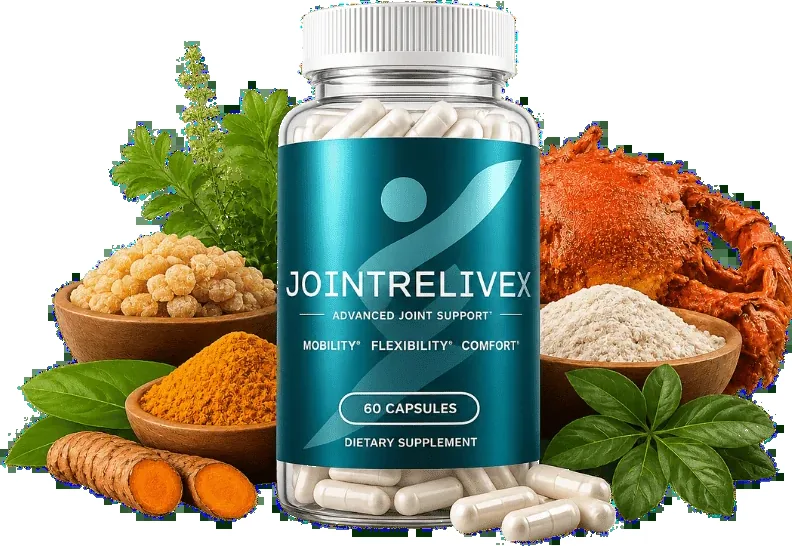
Because part of morning stiffness is down to inflammation that hasn't been flushed out, ingredients that support a healthy inflammatory response are a logical area of interest. Omega-3 fats have the broadest evidence here, and standardised botanicals such as curcumin and boswellia have reduced joint discomfort in trials. A combined joint formula like JointReliveX brings several of these together, which some people layer on top of the movement-and-warmth basics. Treat any supplement as a slow-acting support judged over weeks, keep your expectations proportionate, and always check the doses on the label — it will not replace getting up and moving.
When to stop self-managing
Short morning stiffness that loosens quickly is usually nothing to worry about. See a clinician if stiffness regularly lasts more than 30 to 60 minutes, affects joints on both sides of the body, comes with swelling, warmth or redness, follows an injury, or is getting steadily worse. Those patterns deserve a proper assessment. Nothing here diagnoses, treats or cures any condition — it is general information to help you tell ordinary stiffness from the kind that warrants a professional opinion.
Frequently asked questions
Why are my joints stiff in the morning?
Overnight your joints are still for hours, the lubricating fluid inside them thickens slightly, mild swelling can settle around the joint, and any low-grade inflammation is not being flushed out by movement. Put together, that makes joints feel tight and creaky until you start moving and warm them up. A short spell of stiffness on waking is common and usually eases within a few minutes.
How long is normal morning stiffness?
As a rough guide, ordinary wear-related stiffness tends to be brief - often loosening within about 15 to 30 minutes of getting moving. Stiffness that regularly lasts longer than 30 to 60 minutes, particularly if it affects both sides of the body, is more of a red flag for an inflammatory type of arthritis and is worth discussing with a clinician rather than self-managing.
Does morning stiffness mean arthritis?
Not necessarily. Occasional short-lived stiffness can simply reflect age, inactivity, a hard workout or sleeping in an awkward position. Duration is the key clue: brief stiffness that eases quickly is usually harmless, while prolonged stiffness over 30 to 60 minutes, joint swelling, warmth or symptoms on both sides suggests an inflammatory process that a doctor should assess. When in doubt, get it checked.
What helps loosen stiff joints quickly?
Gentle movement is the fastest fix - a few minutes of easy range-of-motion exercises or a short walk gets fluid moving and warms the joint. Warmth helps too, such as a warm shower or a heat pack, along with staying hydrated. Over the longer term, regular activity, good sleep, weight management and omega-3-rich eating are associated with less day-to-day stiffness.
References
Related reading
Support a healthy inflammatory response
JointReliveX pairs curcumin and boswellia with glucosamine, chondroitin and bromelain — see the full ingredient breakdown, current pricing and the 60-day guarantee.
Order Now