Eggshell Membrane for Joints: A Practical Guide
By the JointReliveX Research Team · Medically reviewed against the primary literature · Updated 9 August 2026 · about an 8-minute read
What is eggshell membrane and how does it help joints?
Eggshell membrane is the thin lining just inside an egg's shell. It naturally contains collagen, glucosamine, chondroitin and hyaluronic acid, the raw materials of joint tissue. In human trials at about 300 to 500 mg a day, it improved joint comfort and flexibility, sometimes within 7 to 30 days, though it is not a cure.
- Contains collagen, glucosamine, chondroitin and hyaluronic acid.
- Studied dose is about 300 to 500 mg per day.
- Not suitable if you have an egg allergy.

What eggshell membrane is
Crack an egg carefully and you can peel a thin, papery film from the inside of the shell. That film is the eggshell membrane, and it is one of the newer arrivals in the joint-support world. Rather than being synthesised in a lab or extracted from shellfish, it is a natural by-product of the food industry — which is a large part of its appeal to shoppers who want a clean-label, single-ingredient option.
The reason it turns up in joint supplements is not novelty for its own sake. When researchers analysed eggshell membrane, they found it was made largely of the same materials that make up cartilage and connective tissue. That biological overlap is the basis of the whole idea: an ingredient that arrives pre-loaded with several joint building blocks in one natural package.
What eggshell membrane contains
Eggshell membrane is a protein-rich material, and its structural backbone is collagen — the fibrous protein that gives connective tissue its strength and resilience. Alongside the collagen, it naturally contains smaller amounts of several familiar joint compounds: glucosamine, chondroitin and hyaluronic acid. If those three names sound like a joint supplement label, that is precisely the point. Eggshell membrane effectively bundles a collagen matrix with the cartilage-matrix and lubrication compounds that are usually sold separately.
It is worth keeping the amounts in perspective, though. The glucosamine, chondroitin and hyaluronic acid in eggshell membrane are present in relatively small quantities compared with the standalone doses of those ingredients. So eggshell membrane is not simply a natural way to swallow a gram of glucosamine. Its proponents argue that the benefit comes from the whole intact matrix working together at a low dose, rather than from any single component — and interestingly, the trial evidence is broadly consistent with that framing.
What the research shows
For a relatively new ingredient, eggshell membrane has accumulated a surprisingly encouraging set of human trials. Several randomised studies of a standardized eggshell membrane extract in people with joint discomfort or knee osteoarthritis have reported improvements in pain, stiffness and flexibility compared with placebo. What stands out is the combination of a low daily dose and, in some studies, a relatively quick onset.
Multiple trials have reported measurable improvements in joint comfort and range of motion within the first 7 to 30 days of use, with benefits often continuing to build over the following weeks. That is genuinely fast for a structural joint ingredient, and it is one of the reasons eggshell membrane has attracted attention. As always, these are group averages — some participants respond and some do not — and the total body of evidence, while promising, is still smaller than the decades of research on glucosamine and chondroitin.
The fair summary: eggshell membrane has a small but encouraging set of human trials showing improved joint comfort and flexibility at a low daily dose, sometimes quite quickly. It is a promising support ingredient, not a proven treatment for any joint disease.
Dosing: why the low number is a selling point
Most eggshell membrane research uses a standardized extract at roughly 300 to 500 mg once daily — frequently a single 500 mg capsule. Compare that with glucosamine, which is typically taken at around 1,500 mg a day, often split into multiple large capsules, and the appeal becomes obvious. A once-daily, small capsule is easier to stick with, and adherence matters enormously with joint ingredients, where consistency over weeks is the whole game.
This is also where the "whole matrix" argument earns its keep. Eggshell membrane is not trying to out-dose glucosamine on glucosamine's terms; it is offering a different, lower-dose approach based on the intact natural material. Whether that is superior is not settled, but the convenience of a single daily capsule is a real, practical advantage for people who struggle with large multi-pill regimens.
How fast to expect anything
Eggshell membrane's reputation for relatively quick results is one of its more attractive features, but it still deserves calibrated expectations. The 7-to-30-day figures come from trial averages, and individual responses vary. The sensible plan is the same one that applies to every joint ingredient: take it consistently, judge it on function as well as pain, and give it a fair trial of several weeks before deciding. If eggshell membrane is going to help you, the research suggests you will often have a reasonable sense of it within the first month or two.
The egg allergy caution
This is the single most important safety point, and it is non-negotiable: eggshell membrane is an egg-derived ingredient. If you have an egg allergy, you should not take it, full stop. While the membrane is not the same as egg white, it is an egg-sourced material and should be treated as unsafe for anyone with an egg allergy. If you are uncertain whether an egg allergy applies to you, do not experiment — ask a clinician first.
Beyond the allergy issue, eggshell membrane is generally well tolerated in studies, with side effects tending to be mild and uncommon. The usual sensible cautions still apply: if you are pregnant, nursing, taking medication, or managing a health condition, check with a healthcare professional before starting. And, as with everything on this site, eggshell membrane is a dietary supplement, not a treatment — persistent, worsening or swollen joints need proper medical assessment.
The clean-label appeal
Part of eggshell membrane's popularity is not clinical at all — it is about how it fits modern preferences. It is a natural, single-ingredient material derived from a familiar food, it is used at a low once-daily dose, and it is not shellfish-derived, which matters to the significant number of people who avoid glucosamine and chondroitin because of shellfish allergies. For shoppers who want something simple and minimally processed, that clean-label story is a genuine draw, provided the egg-allergy caution is respected.
How eggshell membrane relates to JointReliveX
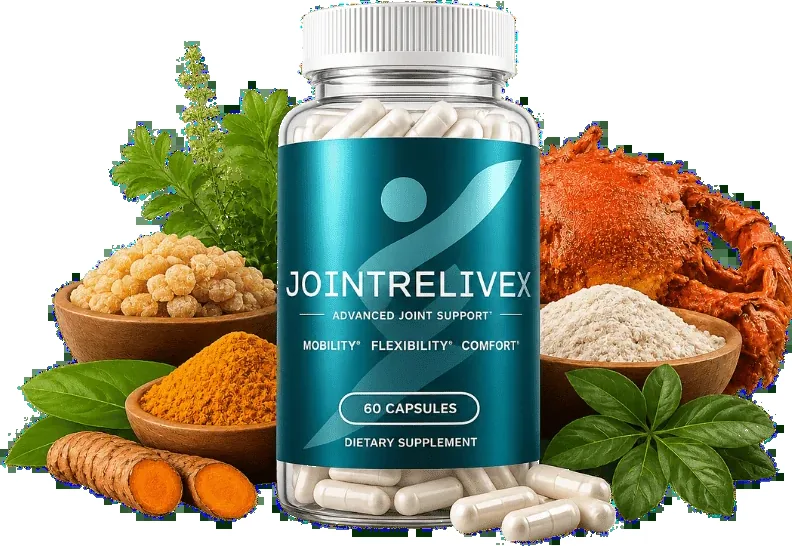
To be straightforward: eggshell membrane is a promising ingredient, but it is not part of every joint formula. JointReliveX takes a different, more conventional route — it delivers glucosamine and chondroitin directly, at their own dose, and pairs them with the anti-inflammatory ingredients turmeric, boswellia and bromelain. In other words, it supplies some of the same building blocks eggshell membrane contains, but as dedicated ingredients rather than as a natural matrix. If eggshell membrane specifically is what you want, read the Supplement Facts panel of any product and confirm it is actually listed, rather than assuming it is included.
Frequently asked questions
What is eggshell membrane made of?
Eggshell membrane is the thin protein-rich layer between the shell and the egg white. It naturally contains collagen, along with smaller amounts of glucosamine, chondroitin and hyaluronic acid, which are the same building blocks found in cartilage and joint tissue.
How fast does eggshell membrane work for joints?
In some human trials, eggshell membrane improved joint comfort and flexibility relatively quickly, with changes reported within 7 to 30 days. Responses vary between people, so it is still sensible to take it consistently for several weeks before judging whether it helps you.
What is the typical eggshell membrane dose?
Most studies use a standardized eggshell membrane extract at about 300 to 500 mg once daily. Because it is used at a low, single daily dose, it is often marketed as a simpler alternative to the larger multi-gram doses of glucosamine and chondroitin.
Is eggshell membrane safe if I have an egg allergy?
No. Eggshell membrane is an egg-derived ingredient, so it is not suitable if you have an egg allergy, and you should avoid it. If you are unsure, or you are pregnant, nursing or taking medication, check with a clinician before using any eggshell membrane supplement.
References
Related reading
See the full JointReliveX review
Every ingredient, exactly what is in the formula, the current sale pricing and the 60-day guarantee — in one place.
Order Now