Natural Ways to Reduce Joint Inflammation
By the JointReliveX Editorial Team · Evidence-reviewed, informational only · Updated 9 August 2026 · about an 8-minute read
What naturally reduces joint inflammation?
The best-supported levers are a mostly whole-food, Mediterranean-style diet, regular omega-3 from oily fish, a healthy body weight, staying active and sleeping well. Botanicals like turmeric and boswellia may add to that. None is a cure; they support a healthy inflammatory response, and they work best stacked together, consistently, over time.
- Food and weight do the heavy lifting on everyday inflammation.
- Omega-3, curcumin and boswellia are supporting players, not replacements.
- Sleep, movement and stress control quietly shape how joints feel.
Low-grade inflammation is part of the story behind a lot of everyday joint discomfort. The good news is that inflammation is highly responsive to daily habits — what you eat, how you move, how you sleep and how you handle stress all feed into it. The honest framing matters, though: the goal here is to support a healthy inflammatory response, not to "cure" anything. Inflammation is a normal, necessary process; the aim is to avoid keeping it needlessly elevated. Below are the levers with the most credible evidence, roughly in order of impact, and none of them works as a magic bullet on its own.
1. An anti-inflammatory, mostly whole-food diet
Diet is the lever you pull several times a day, which is exactly why it matters. The eating pattern with the strongest research behind it is the Mediterranean-style diet: plenty of vegetables, fruit, legumes, whole grains, nuts, olive oil and fish, with less ultra-processed food, refined sugar and processed meat. Studies consistently link this pattern to lower levels of inflammatory markers. You do not need a rigid "anti-inflammatory diet" with a forbidden-foods list — the shift that counts is toward whole foods and away from heavily processed ones. Colourful plants supply polyphenols and fibre; olive oil contributes oleocanthal, which has mild anti-inflammatory activity.
2. Omega-3 fatty acids
Omega-3s (EPA and DHA) from oily fish — salmon, sardines, mackerel, herring — are among the best-studied dietary anti-inflammatory agents. They are incorporated into cell membranes and shift the body toward less pro-inflammatory signalling. Two or three servings of oily fish a week is a sensible target; fish-oil supplements are an option if you rarely eat fish, though they are an addition to a good diet, not a substitute for it. This is a slow, cumulative effect, not an overnight change.
3. Turmeric (curcumin) and boswellia
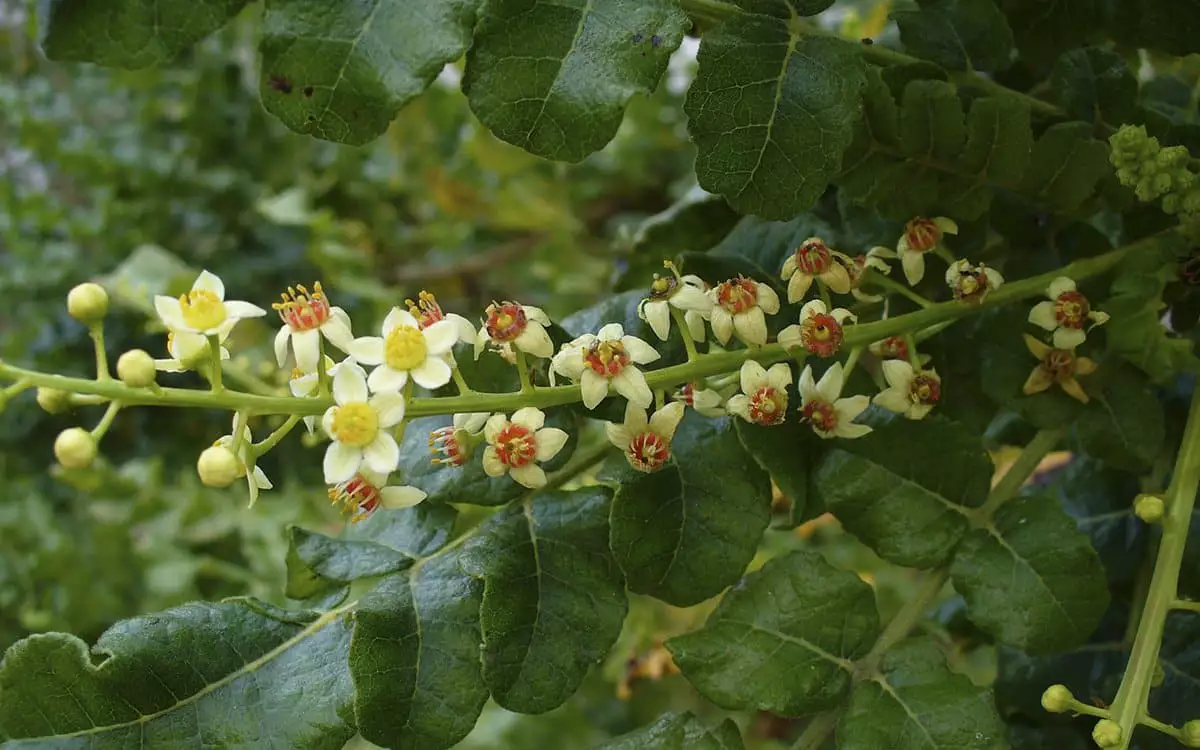
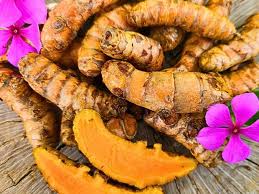
Two botanicals have enough trial support to be worth mentioning. Curcumin, the active compound in turmeric, has reduced knee osteoarthritis pain in several randomised trials, in some cases comparably to common anti-inflammatory drugs but with less gastrointestinal burden. Its catch is absorption: plain curcumin is poorly absorbed, so a standardised extract or an absorption enhancer such as piperine genuinely matters. Boswellia serrata has a smaller but reasonably consistent body of evidence for joint comfort over a few weeks to months. Both are supports, not treatments — and the sprinkle of turmeric in a curry is a nice habit but not a studied dose.
4. Weight management
This one is doubly important. Excess body fat is not inert — adipose tissue actively secretes inflammatory signals, so carrying extra weight raises baseline inflammation throughout the body. On top of that, every extra kilogram multiplies the mechanical load through weight-bearing joints like the knees and hips. Losing even a modest amount of weight has been shown to reduce both the inflammatory burden and the physical stress on those joints. It is one of the highest-impact things many people can do, even if it is also one of the hardest.
5. Sleep
Sleep is the underrated lever. Short or fragmented sleep is associated with higher inflammatory markers and, separately, with greater sensitivity to pain — a double hit that can make joints feel worse the morning after a bad night. Aiming for a consistent seven to nine hours, with a regular schedule and a wind-down routine, does more for inflammatory balance than most people expect. It costs nothing and compounds with every other lever on this list.
6. Movement and exercise
It sounds counterintuitive to move a sore joint, but appropriate activity lowers inflammation over time and keeps the muscles around a joint strong enough to protect it. Regular moderate exercise reduces inflammatory markers, while total inactivity tends to raise them. The trick is the right kind and dose: low-impact options such as walking, swimming, cycling and strength training, progressed gradually. Pain that lingers well beyond a session is a signal to scale back, not to stop entirely.
7. Stress management
Chronic stress keeps stress hormones and inflammatory signalling elevated, heightens the perception of pain, and quietly erodes sleep, movement and eating habits — so it undermines every other lever at once. You cannot eliminate stress, but you can blunt it. Breathing exercises, walking outdoors, mindfulness, time with people you like and simply protecting downtime all help take pressure off the whole system. None of this "cures" inflammation, but the mind-body link with pain and inflammation is real and worth respecting.
Realistic expectations at a glance
| Lever | Strength of evidence | Realistic timeframe |
|---|---|---|
| Whole-food diet | Strong | Weeks to months |
| Omega-3 intake | Good | Weeks to months |
| Weight management | Strong | Ongoing |
| Sleep | Good | Days to weeks |
| Movement | Strong | Weeks |
| Curcumin / boswellia | Moderate | Weeks to months |
| Stress management | Moderate | Ongoing |
The pattern to notice: no single lever transforms things, but stacked together and kept up over time, they add up. Consistency beats intensity here.
What to be skeptical of
For every genuine lever there is a marketed shortcut that overpromises. Be wary of "detox" teas and cleanses that claim to flush inflammation — your liver and kidneys already handle that, and there is no evidence these products lower inflammatory markers. Be equally cautious of any single food or supplement sold as an anti-inflammatory miracle; inflammation is a whole-body process shaped by dozens of daily inputs, so no one item overrides the rest. Elimination diets that cut out huge food groups without a diagnosed intolerance can do more harm than good by narrowing your nutrition. The unglamorous truth is that the levers above — food, weight, sleep, movement, stress — are the ones with real evidence, and they reward patience rather than intensity.
Where a supplement can fit
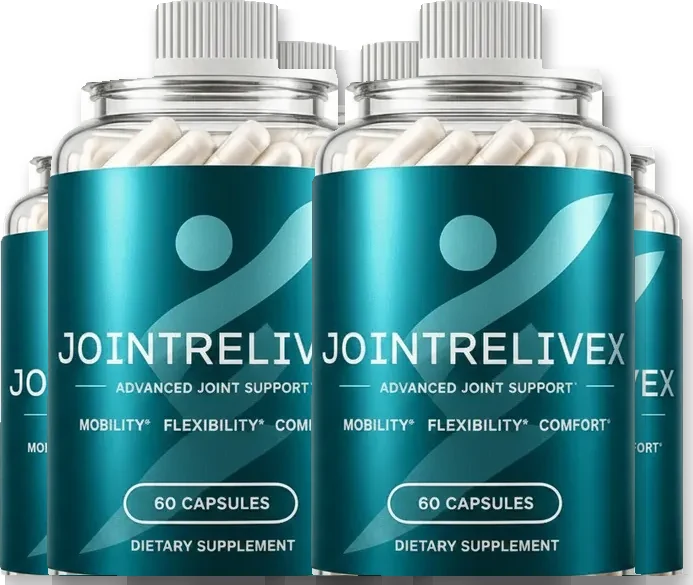
A joint-support supplement is best understood as one small lever among the ones above, not the centrepiece. JointReliveX leans on two of the better-evidenced botanicals discussed here — turmeric (curcumin) and boswellia — alongside glucosamine, chondroitin and bromelain. That can be a convenient way to bundle a couple of these supports, but it does not replace the diet, weight, sleep and movement work, and it is not a treatment for any condition. If your joint pain is persistent, worsening, or comes with swelling, warmth or fever, that needs a clinician rather than any supplement. And if you take medication — especially blood thinners — check with a pharmacist or doctor before adding curcumin, boswellia or fish oil.
Frequently asked questions
What naturally reduces joint inflammation?
The levers with the best support are a mostly whole-food, Mediterranean-style diet, regular omega-3 intake from oily fish, keeping a healthy body weight, staying active, and getting enough sleep. Certain botanicals such as turmeric (curcumin) and boswellia may help too. None is a cure - they support a healthy inflammatory response, and they work best stacked together over time.
Do supplements or diet work better for inflammation?
For most people diet and lifestyle do the heavier lifting, because they act on inflammation every single day and across the whole body. Supplements like omega-3 or curcumin can be a useful add-on, but they work best on top of good food, movement, sleep and weight management - not as a replacement for them.
How does sleep affect joint inflammation?
Poorly. Short or broken sleep is linked to higher levels of inflammatory markers and to greater pain sensitivity, so bad nights can make joints feel worse the next day. Aiming for a consistent seven to nine hours is one of the simplest, most underrated levers for supporting a healthy inflammatory response.
Can stress make joint pain worse?
Yes. Chronic stress keeps the body's stress hormones and inflammatory signalling elevated, which can heighten pain perception and make flare-ups feel worse. It also tends to erode sleep, movement and eating habits. Stress-management practices like breathing, walking or mindfulness will not cure anything, but they can take pressure off the whole system.
Related reading
- Anti-Inflammatory Foods for Joint Health
- Boswellia Serrata for Joint Pain: What the Evidence Says
- Curcumin Absorption: Why Black Pepper (Piperine) Matters
References
See the full JointReliveX review
Every ingredient, the current sale pricing and the 60-day guarantee — in one place.
Order Now