Weight Loss and Knee Joint Pain Relief
How does weight loss relieve knee joint pain?
Because of leverage, each pound of body weight adds roughly four pounds of load across the knee with every step. Losing weight removes that multiplied pressure. Studies in knee osteoarthritis show that shedding around ten percent of body weight meaningfully improves pain and function, especially when paired with low-impact exercise and better eating.
- The 1:4 rule: one pound lost, about four pounds off the knee per step.
- The 10% target: roughly a tenth of body weight brings meaningful relief.
- Best combined: diet plus low-impact movement beats either alone.
Why the knee feels every extra pound — four times over
The knee is a hinge caught between two long levers: the thigh above and the shin below. When you walk, those levers, plus the pull of the muscles that stabilise the joint, multiply the force travelling through the cartilage. Gait studies consistently find that the peak load through the knee during normal walking is several times body weight, and rises further on stairs, hills and when rising from a chair.
That multiplier is where the widely cited figure comes from: researchers estimate that each pound of body weight translates to roughly four pounds of extra compressive load across the knee with every step. Ten extra pounds on the scale becomes about forty pounds of additional pressure per step. Over a typical day of several thousand steps, that adds up to many additional tons of cumulative load passing through the joint. Run the arithmetic in reverse and the appeal of weight loss is obvious: every pound you drop is amplified into meaningful relief where it counts.
The knee doesn't feel your weight — it feels your weight times leverage. That is why modest weight loss can produce a change that feels far bigger than the number on the scale.
How much weight loss actually moves the needle
The good news is that you don't have to reach an “ideal” weight to feel a difference. The research points to two practical thresholds:
- Around 5% of body weight is often where people begin to notice symptoms easing.
- Around 10% or more is associated with clinically meaningful improvements in pain and physical function — and the benefit tends to keep growing with further loss, within reason.
Landmark trials such as the IDEA study in older adults with knee osteoarthritis found that a substantial weight loss combined with exercise produced greater reductions in pain, better function and lower inflammatory markers than either intervention alone. In practical terms, for a 200-pound person the first target is roughly 10 pounds and the meaningful-relief target is around 20. Those are realistic numbers, not crash-diet fantasies.
Diet does the losing, exercise does the protecting
A useful mental model: diet is responsible for most of the weight change, while exercise protects the muscle and joint function that make the weight loss worthwhile. You cannot reliably out-walk a poor diet, particularly when sore knees limit how much you can move. So the calorie side of the equation usually has to lead.
That is where anti-inflammatory eating and weight loss overlap neatly. A Mediterranean-style pattern — fish, olive oil, vegetables, fruit, legumes, whole grains — is naturally filling, lower in the calorie-dense ultra-processed foods that drive weight gain, and associated with a calmer inflammatory profile. You get the mechanical benefit of a lighter frame and the chemical benefit of a better diet at the same time. (For the full food list, see our guide to anti-inflammatory foods for joint health.)
Low-impact movement your knees will tolerate
The instinct to rest a sore knee is understandable, but total rest weakens the very muscles that support the joint. The aim is to keep moving in ways that spare the cartilage while strengthening the quadriceps, hamstrings and hips. Options that most knees tolerate well include:
| Activity | Why it's knee-friendly |
|---|---|
| Walking (flat, supportive shoes) | Weight-bearing but low-force; easy to scale up gradually |
| Cycling / stationary bike | Builds thigh strength with the seat carrying much of the load |
| Swimming & water aerobics | Buoyancy removes most joint load while you still work hard |
| Strength training | Stronger quads and glutes stabilise and offload the knee |
| Mobility & stretching | Keeps range of motion and eases stiffness |
Start gently, add a little each week, and expect some day-to-day variation. Mild muscle soreness is fine; sharp joint pain, swelling or a knee that gives way is a signal to ease off and get advice. A physiotherapist can tailor a programme far better than any generic list.
Do hips and other joints benefit too?
Yes. The knee tends to respond most visibly because it bears load so directly, but every weight-bearing joint — hips, ankles and the lower spine — carries a high multiple of body weight and gains from a lighter frame. The hip, like the knee, sees forces several times body weight during walking, so people with hip discomfort often report improvement alongside their knees. Non-weight-bearing joints such as the hands benefit less mechanically, though the anti-inflammatory and metabolic effects of losing excess fat may still help.
A realistic plan that respects sore knees
- Anchor the diet. Shift toward whole, anti-inflammatory foods and a modest calorie deficit you can actually sustain. Aim for gradual loss — roughly one to two pounds a week.
- Move within tolerance. Start with what your knees allow — even 10-minute walks or a few minutes on a bike — and build from there.
- Strengthen the support muscles. Two short strength sessions a week for the thighs and hips pay off out of proportion to the effort.
- Track function, not just weight. Notice stairs, standing up, and how far you can walk — those are the wins that matter.
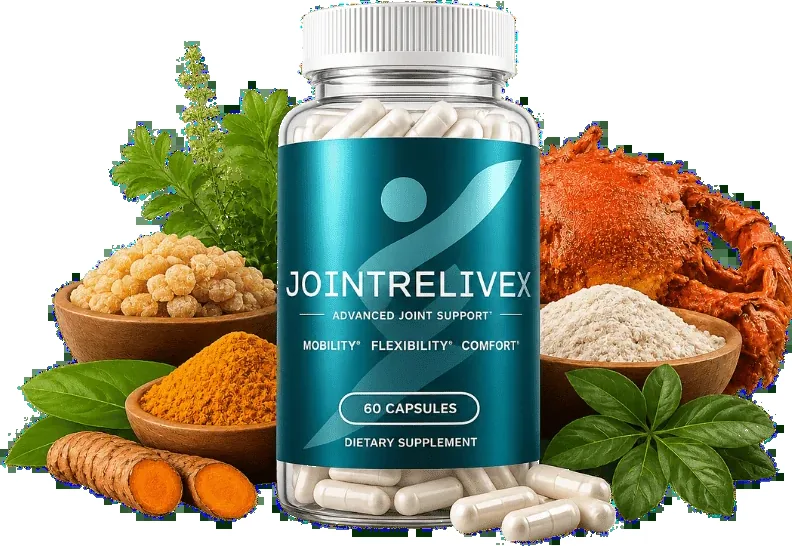
- Layer in support. Some people add a joint formula such as JointReliveX for its curcumin and boswellia content while the weight comes down — a reasonable complement to the mechanics, not a substitute for them.
The honest limits
Weight loss is one of the best-evidenced things you can do for knee comfort, but it is not a cure and it does not reverse established structural damage. It reduces load and calms inflammation — two things that genuinely help how a joint feels and functions — and it improves your health well beyond the knee. If your knee pain is severe, keeps you awake, locks or swells, or follows an injury, that needs a clinician's assessment rather than a self-directed plan. Weight loss works best as part of a bigger picture that includes professional guidance.
Frequently asked questions
How much does weight affect knee pain?
A lot, because of leverage. When you walk, the force through the knee is several times your body weight, and researchers estimate that each pound of body weight adds roughly four pounds of load across the knee with every step. Over a day of walking that multiplies into tons of extra pressure, so even a small change in weight changes how the joint feels.
How much weight loss improves joint pain?
Studies in knee osteoarthritis suggest that losing about 5 percent of body weight can start to improve symptoms, and around 10 percent or more produces meaningful gains in pain and function - especially when combined with exercise. For a 200-pound person that is roughly 10 to 20 pounds. More loss tends to bring more relief, within reason.
Does losing weight help hip and knee joints equally?
Both benefit, but the knee usually shows the clearest, fastest response because it is a hinge that bears load directly through leverage. Hips also carry high multiples of body weight and improve with weight loss too. Weight-bearing joints in general - knees, hips, ankles, lower spine - gain the most, since they carry the mechanical load that dropping weight relieves.
What is the best way to lose weight with sore knees?
Combine an anti-inflammatory, calorie-aware diet with low-impact movement your knees tolerate - walking, cycling, swimming, water aerobics and strength work for the thigh muscles. Diet drives most of the weight loss; exercise protects muscle and joint function. Start gently, progress slowly, and check with a clinician or physiotherapist if pain is significant before beginning a new programme.
References
Related reading
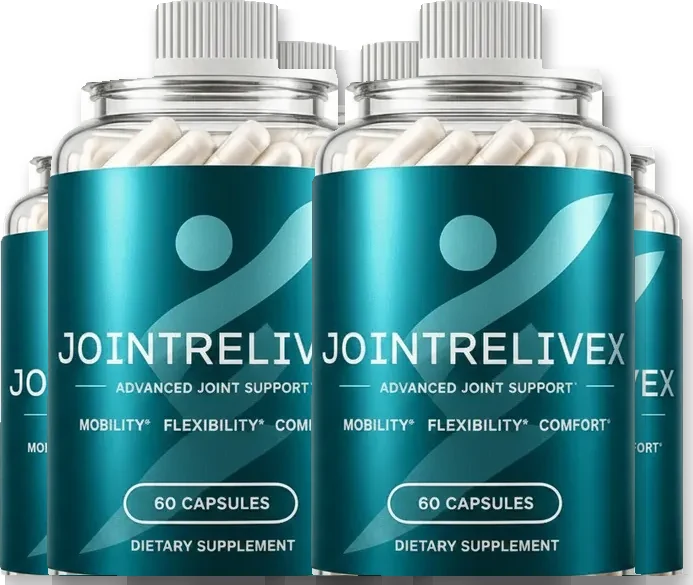
Support the joints while the weight comes down
JointReliveX pairs curcumin and boswellia with glucosamine, chondroitin and bromelain — see the full ingredient breakdown, current pricing and the 60-day guarantee.
Order Now