Anti-Inflammatory Foods for Joint Health
What are the best anti-inflammatory foods for joint health?
The most consistently studied choices are fatty fish, extra-virgin olive oil, colourful berries, leafy greens, nuts and turmeric. Eaten together in a Mediterranean-style pattern, they are associated with lower inflammatory markers and better joint comfort. No single food is a cure — the pattern, kept up over months, is what matters.
- Build the plate: oily fish, olive oil, vegetables, fruit, nuts, whole grains.
- Trim the extras: ultra-processed foods, sugary drinks, refined carbs.
- Be patient: the pattern works over weeks and months, not days.
Why what you eat reaches your joints
Everyday joint discomfort is driven by two overlapping processes: gradual wear on cartilage, and low-grade inflammation in and around the joint. Food cannot rebuild a worn joint, but it can influence the second process. The mix of fats, fibre and plant compounds in your diet nudges the body's inflammatory chemistry in one direction or the other, and it also drives your body weight — which, as anyone with sore knees knows, changes how a joint feels with every step.
That is the honest frame for this article. Anti-inflammatory eating is a way of supporting a healthy inflammatory response and taking mechanical strain off the joints over time. It is not a treatment, and it will not undo structural damage. But it is one of the few joint-health levers that is free, safe for almost everyone, and good for the rest of the body at the same time.
The foods worth building meals around
Fatty fish and omega-3s
Oily fish — salmon, sardines, mackerel, herring, anchovies — supply the long-chain omega-3 fats EPA and DHA. These are the raw material the body uses to make specialised molecules that help resolve inflammation. Diets higher in omega-3s are associated with lower levels of inflammatory markers, and higher fish intake has been linked with less joint tenderness in people with inflammatory joint conditions. Two servings a week is a common, achievable target. If you rarely eat fish, algae-based omega-3 and, of course, fish-oil supplements are the usual fallbacks.
Extra-virgin olive oil
Extra-virgin olive oil is the signature fat of the Mediterranean pattern. Beyond its monounsaturated fat, it carries a polyphenol called oleocanthal, which in laboratory studies acts on the same inflammatory pathway targeted by common anti-inflammatory painkillers — a neat illustration of why the “extra-virgin” grade matters, since refining strips much of that compound out. Using it as your main cooking and dressing oil is one of the simplest high-value swaps you can make.
Berries and colourful fruit
Blueberries, strawberries, cherries and other deeply coloured fruit are rich in anthocyanins, the pigments behind their colour and much of their antioxidant activity. Tart cherries in particular have been studied for exercise-related soreness and for markers of inflammation. You do not need exotic superfoods here — a regular handful of whatever berries are affordable and in season does the job.
Dark leafy greens and cruciferous vegetables
Spinach, kale, chard, broccoli and their relatives bring fibre, vitamin K, magnesium and a spread of polyphenols. Broccoli contains sulforaphane, studied for its effects on inflammatory signalling. Greens are also low in calories and high in volume, which quietly helps with the weight side of the joint equation.
Nuts, seeds and legumes
Walnuts, almonds, flaxseed, chia and beans deliver plant protein, fibre and healthy fats. Walnuts and flax add a plant omega-3 (ALA), while the fibre in legumes feeds gut bacteria that produce anti-inflammatory short-chain fatty acids. Swapping a processed snack for a small handful of nuts is another easy upgrade.
Turmeric, ginger and other spices
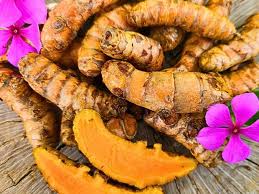
Turmeric supplies curcumin, the most-studied dietary anti-inflammatory compound, with several trials reporting reduced knee discomfort from standardised extracts. From food alone the dose is modest and curcumin is poorly absorbed — pairing turmeric with black pepper and a little fat helps — but as part of a flavour-first kitchen, turmeric, ginger, garlic and cinnamon all add polyphenols with no downside.
The foods worth pulling back
Just as important as what you add is what you crowd out. The dietary patterns associated with higher inflammation are consistent across studies, and they are exactly the ones that dominate a modern convenience diet.
- Ultra-processed foods — packaged snacks, ready meals and fast food are linked with higher inflammatory markers and easy over-eating.
- Added sugar and sugary drinks — regular sweetened beverages are among the most consistent dietary correlates of inflammation and weight gain.
- Refined carbohydrates — white bread, pastries and many breakfast cereals spike blood sugar and displace fibre.
- Processed and heavily fried foods — often high in the kind of fats and additives tied to inflammatory signalling.
- Excess alcohol — moderate at most; heavier intake is pro-inflammatory and adds empty calories.
Notice the theme: none of this requires a rigid “anti-inflammatory diet” with forbidden lists. The evidence rewards a shift in the balance of your week toward whole foods, not perfection. An 80/20 approach that most people can actually sustain beats a strict plan they abandon by February.
Why the Mediterranean pattern keeps winning
When researchers compare whole eating patterns rather than single nutrients, the Mediterranean-style diet is the one that repeatedly comes out ahead for inflammation and general health. It is not a fad — it is simply the sum of everything above: fish and olive oil as the main fats, vegetables and fruit at most meals, whole grains and legumes for fibre, nuts as snacks, herbs and spices for flavour, and meat and sweets as occasional rather than default.
Trials applying Mediterranean-style eating in people with joint conditions have reported modest improvements in pain, stiffness and inflammatory markers, alongside the well-established benefits for heart and metabolic health. “Modest” is the honest word — this is a supportive strategy, not a dramatic one — but few interventions this safe are backed by this much evidence.
The most useful way to read the science: don't chase a single anti-inflammatory food. Build a Mediterranean-style plate you enjoy, keep it up, and let the pattern do the work.
A simple day on the plate
| Meal | Joint-friendly choice | Working for you |
|---|---|---|
| Breakfast | Oats with berries, walnuts and cinnamon | Fibre, anthocyanins, plant omega-3 |
| Lunch | Big salad with olive oil, chickpeas and greens | Polyphenols, fibre, healthy fat |
| Dinner | Baked salmon, broccoli, whole-grain side | EPA/DHA omega-3, sulforaphane |
| Snack | Handful of almonds or a piece of fruit | Swaps out ultra-processed nibbles |
| Flavour | Turmeric, ginger, garlic, herbs | Extra polyphenols, less salt and sugar |
Where food fits — and where it doesn't
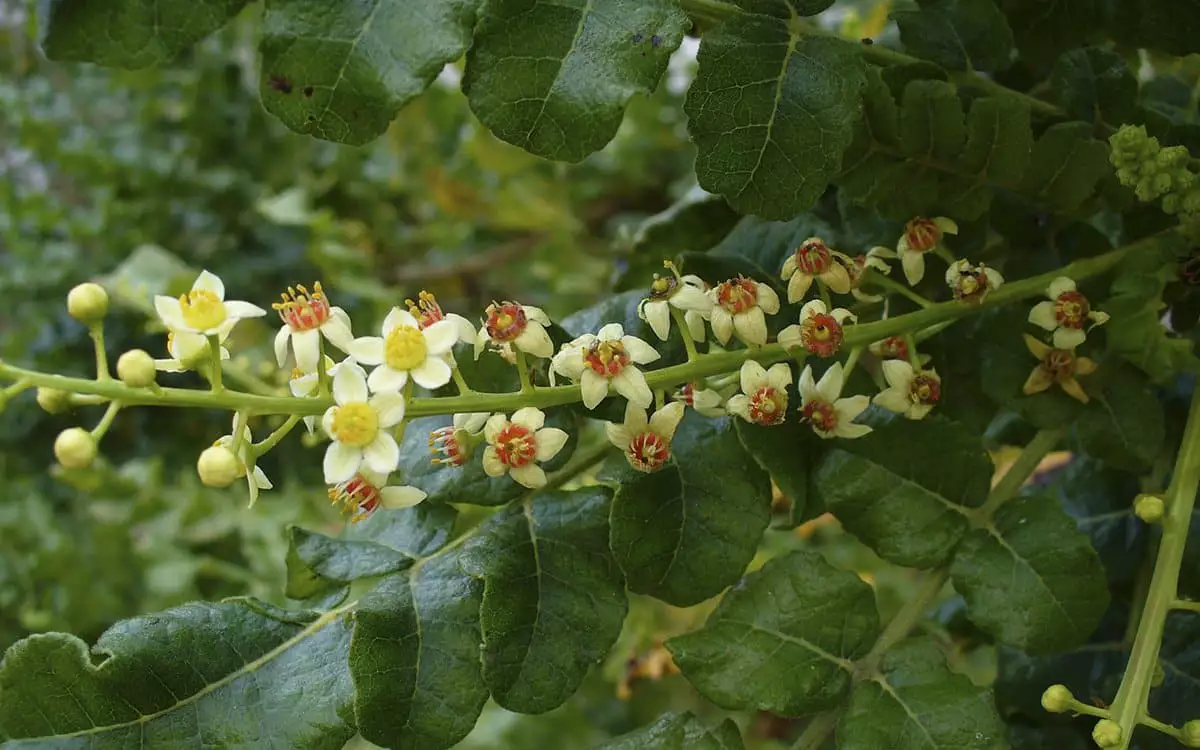
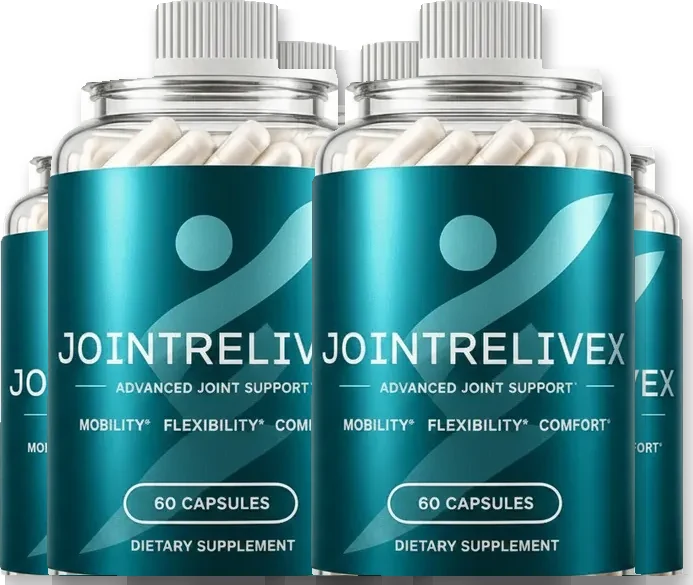
Anti-inflammatory eating is a foundation, not a fix. It pairs naturally with the other things that genuinely help joints: regular low-impact movement, keeping weight in a comfortable range, decent sleep, and sensible use of any supplements or medication your clinician recommends. Some people also use a targeted joint formula such as JointReliveX to layer concentrated versions of ingredients like curcumin and boswellia on top of a good diet — a reasonable idea, provided you treat it as a complement to the plate rather than a substitute for it, and check the doses on the Supplement Facts panel.
Two honest reminders. First, food changes are gradual: give a new pattern a couple of months before you judge it. Second, diet does not diagnose or treat anything — joint pain that is persistent, worsening, swollen or one-sided deserves a professional opinion, not just a better shopping list.
Frequently asked questions
What foods help reduce joint inflammation?
The most-studied choices are fatty fish (salmon, sardines, mackerel), extra-virgin olive oil, colourful berries, dark leafy greens, nuts and seeds, and spices like turmeric and ginger. Whole grains and legumes round out the pattern. These foods supply omega-3 fats and polyphenols that are associated with lower inflammatory markers, and they work best eaten together and consistently rather than as a single miracle item.
Which foods should I avoid with joint pain?
Cut back on ultra-processed foods, sugary drinks and added sugar, refined white carbohydrates, processed and fried foods, and heavy alcohol. These are linked with higher inflammatory markers and with weight gain, which adds load to the joints. You do not have to be perfect - the goal is to shift the balance of your week toward whole foods, not to ban any single food outright.
Does a Mediterranean diet help arthritis?
A Mediterranean-style pattern - rich in fish, olive oil, vegetables, fruit, nuts and whole grains - is the eating pattern with the most supportive evidence for joint comfort and lower inflammation. Several studies report modest improvements in pain and stiffness and better overall health markers. It is a supportive strategy that works alongside movement, weight management and medical care, not a replacement for them.
Can diet alone fix joint pain?
No. Diet can support a healthy inflammatory response and help with weight, which both matter for joints, but it does not fix structural problems and it is not a cure. Think of anti-inflammatory eating as one lever among several - alongside exercise, sleep, weight management and, when needed, professional care. Persistent, worsening or swollen joints should always be assessed by a clinician.
References
Related reading
Layer targeted support on a good diet
JointReliveX combines curcumin and boswellia with glucosamine, chondroitin and bromelain — see the full ingredient breakdown, current pricing and the 60-day guarantee.
Order Now