Joint Supplement Timeline: What to Expect and When
By the JointReliveX Editorial Team · Updated 9 August 2026 · about an 8-minute read
How long until joint supplements start working?
It depends on the ingredient. Boswellia can ease symptoms in about 5 to 7 days, glucosamine and chondroitin in 4 to 8 weeks, collagen across 8 to 24 weeks, and omega-3 over weeks to months. Judge any joint formula on a full 8 to 12 week trial, not a few days.
- Fast movers: anti-inflammatory botanicals like boswellia, within a week or two.
- Slow builders: collagen and cartilage-matrix ingredients, over months.
- Consistency beats timing: a missed day matters more than the hour you take it.
Why the timeline question matters
The single most common reason people abandon a joint supplement is timing. They expect it to behave like a painkiller, feel nothing after a few days, and quit before the ingredients have had a chance to do what they actually do. Setting the right expectation up front is therefore not a marketing nicety; it is the difference between a fair test and a wasted bottle. This article lays out what the research suggests for each of the common joint ingredients, why the ranges differ so much, and how to decide when to reassess.
The honest headline: weeks, not days
Very little in the joint-support category works overnight. Non-steroidal anti-inflammatory drugs blunt a pain signal within hours, and that is the mental model many people bring to supplements. But most joint ingredients do something slower and more structural: they modestly lower background inflammation, or supply raw materials the body uses to maintain connective tissue. Those processes unfold over the timescale of tissue turnover, which is measured in weeks and months. Anyone promising same-week relief is not describing how these compounds behave.
Ingredient by ingredient
Boswellia serrata: about 5 to 7 days
Boswellia is the fastest common mover. Its boswellic acids act on inflammatory pathways, and several trials in knee osteoarthritis have reported improvements in pain and function within the first one to two weeks, sometimes noticeable in as little as five to seven days. That relative speed makes it one of the more encouraging early signals in a combination formula. It still deepens with continued use, so an early flicker of improvement is a reason to keep going, not to stop.
Curcumin from turmeric: 2 to 8 weeks
Curcumin, turmeric's active compound, also works through anti-inflammatory pathways and tends to show benefit over a few weeks. Trials commonly run 4 to 12 weeks, with meaningful pain reduction often emerging by weeks two to eight. The important caveat is absorption: plain curcumin is poorly absorbed, so the specific standardized extract and any absorption enhancer strongly influence whether, and how quickly, you feel anything.
Glucosamine and chondroitin: 4 to 8 weeks
The household-name cartilage duo is slower and, honestly, more variable. Where these ingredients help at all, trials generally show separation from placebo somewhere around 4 to 8 weeks, with guidelines often suggesting a longer trial before you judge them. Their evidence base is mixed overall, so treat any benefit as gradual and modest rather than dramatic.
Collagen: 8 to 24 weeks
Collagen peptides are a long game. Studies in joint comfort and in athletes' activity-related pain typically run 12 to 24 weeks, and benefits, where reported, build slowly across that window. If you are trying collagen for joints, budget at least three months before forming an opinion, and ideally closer to six.
Omega-3 fish oil: weeks to months
Omega-3 fatty acids shift the balance of inflammatory signaling molecules, but that shift depends on gradually enriching your cell membranes with EPA and DHA. That enrichment takes time, so any joint or stiffness benefit tends to appear over several weeks to a few months of consistent dosing rather than early on.
Vitamin D: variable, and only if you are low
Vitamin D is a special case. Correcting a genuine deficiency can help diffuse musculoskeletal aches over weeks to months, but topping up someone who already has adequate levels is unlikely to do much. It is worth testing rather than guessing, and it is not a proven osteoarthritis treatment.

A quick reference table
| Ingredient | Typical time to notice | How it acts |
|---|---|---|
| Boswellia serrata | About 5 to 7 days | Anti-inflammatory |
| Curcumin (turmeric) | 2 to 8 weeks | Anti-inflammatory |
| Glucosamine / chondroitin | 4 to 8 weeks | Cartilage matrix |
| Collagen peptides | 8 to 24 weeks | Connective-tissue support |
| Omega-3 fish oil | Weeks to months | Inflammatory balance |
| Vitamin D (if low) | Weeks to months | Corrects deficiency |
Why some ingredients take months
The pattern in that table is not random. The fast movers all work by lowering inflammation, and inflammatory signaling can change within days once a compound reaches an active blood level. The slow builders work on tissue: cartilage, tendon, ligament and the joint lining turn over on a timescale of weeks to months, so any change you can feel has to accumulate. Collagen is the clearest example. You are not switching off a pain signal; you are supplying building blocks and a mild stimulus, and the body responds at its own unhurried pace. This is also why combination formulas can feel like they arrive in layers: an early nudge from the botanicals, then a slower, steadier improvement from the structural ingredients.
How to run a fair trial
If you want an honest read on whether a joint supplement is helping you specifically, treat it like a small experiment rather than a hope.
Take the labeled dose every single day, keep it going for a full 8 to 12 weeks, and write down a simple pain-and-stiffness score once a week so you are comparing notes rather than moods.
Consistency is the part people underestimate. Because most of these ingredients depend on a steady blood level or a slow tissue effect, a skipped day here and there does more damage to your trial than taking the capsules an hour later than usual. Take them with food, pair the fat-soluble ingredients with a meal that has some fat in it, and do not change three other things at once, or you will never know what did the work.
When to reassess, and when to stop
Set the review date when you start. At 8 to 12 weeks, look at your weekly scores honestly. If there is a clear, useful improvement, continuing makes sense. If there is genuinely nothing after a fair trial at the right dose, it is reasonable to stop rather than keep buying out of habit. There are also faster off-ramps: stop and speak to a clinician if pain is getting worse, or if you develop swelling, redness, warmth or a joint that locks or gives way. Those are signals for assessment, not for another bottle. A supplement is never a substitute for diagnosis when something is clearly wrong.
Do the results fade if you stop?
Usually, at least partly. Most joint supplements do not permanently remodel the joint, so a benefit that rides on a steady blood level tends to drift away over days to weeks once you stop. That is why some people settle into a long-term maintenance dose after a successful trial. If you do pause, remember that a restart deserves the same patience as the first attempt: give it another 8 to 12 weeks before deciding it has stopped working.
What this means if you take JointReliveX
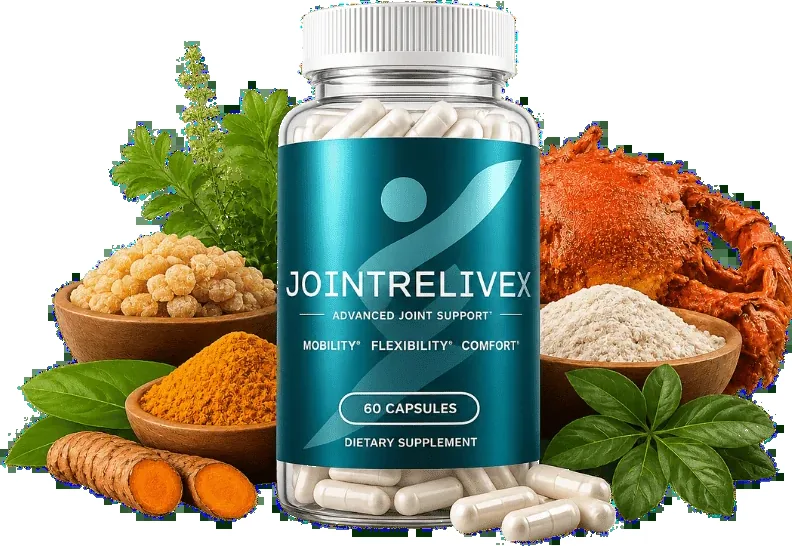
JointReliveX combines faster-acting botanicals like boswellia and turmeric with the slower cartilage-matrix ingredients, which is exactly why a realistic timeline matters: you may notice the inflammatory side first and the structural side later. Plan for a full 8 to 12 week trial, take it every day, and check the milligram amounts on the Supplement Facts panel so you know what you are actually giving each ingredient the chance to do.
References
Frequently asked questions
How long until joint supplements start working?
It depends on the ingredient. Anti-inflammatory botanicals such as boswellia can ease symptoms within about 5 to 7 days. Glucosamine and chondroitin usually need 4 to 8 weeks. Collagen studies often run 8 to 24 weeks, and omega-3 fish oil works over weeks to months. A fair overall trial is 8 to 12 weeks of consistent daily use.
Why do results take months for some supplements?
Ingredients that act on tissue structure, such as collagen and the cartilage-matrix compounds, work by nudging slow biological processes rather than blocking a pain signal. Cartilage, tendon and the joint lining turn over gradually, so any measurable change in comfort or function accumulates over weeks to months, not overnight.
When should I stop a supplement that isn't working?
Give it a fair trial first: take the labeled dose every day for 8 to 12 weeks and track your symptoms. If you notice no meaningful change in pain, stiffness or function after that window, it is reasonable to stop. Also stop and speak to a clinician if pain is worsening, or if swelling, redness or locking appear.
Do results fade if I stop taking them?
Often, yes. Most joint supplements do not permanently change the joint, so benefits that depend on a steady blood level tend to fade over days to weeks after you stop. Some people keep taking a maintenance dose for that reason. If you pause, give any restart the same 8 to 12 week window before judging it again.
Related reading
See the full JointReliveX review
Every ingredient, the current sale pricing and the 60-day guarantee — in one place.
Order Now