Best Time of Day to Take Joint Supplements
Written and fact-checked by the JointReliveX Editorial Team · supplement researchers who read the primary literature · Updated 9 August 2026 · about a 7-minute read
When is the best time to take joint supplements?
Take joint supplements with a meal that contains some fat, so fat-soluble ingredients like turmeric, omega-3 and vitamin D absorb well and glucosamine is gentler on the stomach. Morning or evening barely matters; taking them consistently every day for months is what actually drives results. Split the dose across meals only if it eases digestion.
- With food beats an empty stomach for most joint formulas.
- Consistency over months matters more than the exact hour.
- Night dosing may suit people whose stiffness is worst in the morning.
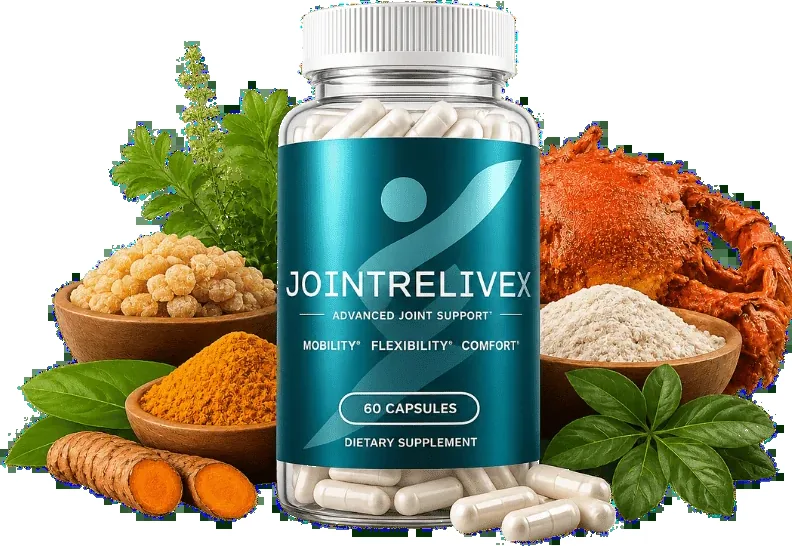
The honest headline: consistency beats the clock
People spend a surprising amount of energy agonising over whether 8am or 8pm is the "optimal" moment to take a joint supplement. For the vast majority of ingredients, that is the wrong thing to optimise. Joint-support ingredients act gradually over weeks and months, so the variable that genuinely moves the needle is whether you take them every day for long enough — not whether you took them before or after breakfast. A missed dose matters more than a mistimed one. If you get one thing from this article, let it be that: build a habit you can keep, and the timing details become minor tweaks on top.
That said, a few timing choices do make a real, if modest, difference — mostly around absorption and stomach comfort. Here is where they actually apply.
Take fat-soluble ingredients with a meal
Several of the most useful joint ingredients are fat-soluble, meaning your body absorbs them far better when there is some dietary fat in your stomach. That group includes curcumin from turmeric, omega-3 fatty acids and vitamin D. Take them on an empty stomach and you may absorb noticeably less; take them with a meal that has some fat — eggs, olive oil, nuts, oily fish, dairy, avocado — and you give them the vehicle they need. This is the single most evidence-aligned timing tip in the whole article, and it is easy: anchor the supplement to your largest or fattiest meal of the day.
Fat-soluble actives with a fat-containing meal is not a marketing flourish — it is basic absorption physiology, and it is the main reason "take with food" appears on so many labels.

Glucosamine: with food to settle the stomach
Glucosamine is not fat-soluble, so its "with food" advice is about tolerance rather than absorption. A minority of people find glucosamine causes mild stomach upset, nausea or heartburn, and taking it with a meal reliably softens that. If you are among the people who feel a little queasy on it, moving the dose to the middle of a meal — or splitting it into two smaller amounts with two meals — usually solves the problem. If you tolerate it fine, food is optional for glucosamine specifically, but taking it with a meal is a harmless default that also helps you remember it.
Should you split the dose?
Splitting a daily amount into two smaller doses with two meals is often framed as an absorption hack. Be a little skeptical of that framing: for most joint ingredients, the evidence that splitting meaningfully boosts absorption is thin, and plenty of successful trials used simple once-daily dosing. Where splitting genuinely helps is comfort and steadiness — it reduces the stomach load from glucosamine, spreads fat-soluble ingredients across more than one fatty meal, and can feel gentler overall. So split if the label suggests it, if a single dose bothers your stomach, or if it fits your routine better. Do not split because you believe it is a secret absorption trick — that oversells it.
Morning or night for stiffness?
This is where personal pattern matters more than pharmacology. Because these ingredients build up over time rather than acting like an on-demand painkiller, taking your dose at night will not specifically "target" morning stiffness in the way a fast drug might. However, there is a sensible, practical angle: if your joints are stiffest first thing in the morning, some people prefer an evening dose simply so the supplement is part of a wind-down routine they never skip, and so any fat-soluble ingredients ride along with dinner. Others find a morning routine stickier. Neither is clinically "correct" — choose the slot that makes daily consistency effortless, because that is the real lever.
Can you take everything together?
For a typical joint stack, yes. Glucosamine, chondroitin, omega-3, turmeric and vitamin D are commonly taken at the same time, and many formulas combine them into a single capsule precisely so you can. Taking them together with a fat-containing meal suits the group nicely: the meal covers the fat-soluble members, and the food eases glucosamine. The main things worth flagging are not timing but interactions — omega-3, turmeric and high-dose vitamin E can each nudge bleeding risk, which is a genuine consideration if you take a blood thinner. That is a "check with your clinician" issue, not a "take them at different hours" issue.
A simple daily routine that works
Pulling it together, here is a routine that respects the evidence without overcomplicating it:
- Anchor to a meal: take your joint supplement with the meal that most reliably contains some fat — for many people that is dinner.
- Same time daily: attach it to something you already do every day (a specific meal, brushing your teeth) so you never rely on willpower.
- Split only if needed: if a full dose bothers your stomach, break it across two meals; otherwise once daily is fine.
- Give it months: judge the routine at 8 to 12 weeks, not days — see our joint supplement timeline for what to expect.
- Mind interactions: if you take medication, especially blood thinners, clear the combination with your clinician — our guide to side effects and safety covers the details.
The absorption detail worth more than timing
One last reframe. People obsess over the hour of the day when the far bigger absorption lever — at least for curcumin — is the formulation itself. Plain curcumin is poorly absorbed no matter when you take it, which is why standardised extracts and absorption enhancers like piperine exist. Getting that right dwarfs the difference between a morning and evening dose. If you want the mechanics, our piece on curcumin absorption with black pepper and piperine explains why the label design matters more than the clock.
Where JointReliveX fits
JointReliveX combines cartilage-matrix ingredients with fat-soluble botanicals like turmeric, so the same simple advice applies: take it with a meal that has some fat, keep to it daily, and split the dose only if your stomach prefers it. Follow the label for anything specific, and give the routine a genuine multi-week run before you judge it. None of this is medical advice — if you have persistent or worsening joint pain, that is a reason to see a clinician, not to fine-tune a supplement schedule.
References
Related reading
Frequently asked questions
Should joint supplements be taken with food?
Usually yes. Fat-soluble ingredients such as turmeric, omega-3 and vitamin D are absorbed better with a meal that contains some fat, and taking glucosamine with food helps reduce the mild stomach upset some people get. A few ingredients do not require food, but with a mixed joint formula, taking it with a meal is the simplest safe default.
Is it better to take collagen morning or night?
There is no strong evidence that a specific hour makes collagen work better for joints. Morning or night is fine; the factor that actually matters is taking it every day for months. Pick whichever time you will remember consistently, and if a product suggests taking it away from a heavy meal, follow the label.
Can I take glucosamine and omega-3 together?
Yes, glucosamine and omega-3 are commonly taken together and are often combined in the same joint formula. Taking them with a meal suits both, since omega-3 is fat-soluble and food eases glucosamine on the stomach. If you take blood thinners, ask your clinician first, as omega-3 can affect bleeding.
Does splitting doses improve absorption?
Splitting a dose into two smaller amounts with meals is mainly about comfort and steadier levels rather than a proven absorption boost. It can reduce stomach upset from glucosamine and spreads fat-soluble ingredients across meals. Many trials still used once-daily dosing successfully, so split only if the label suggests it or it feels easier on your stomach.
See the full JointReliveX review
Every ingredient, the current sale pricing and the 60-day guarantee — in one place.
Order Now