Joint Supplements: Side Effects and Safety Guide
By the JointReliveX Editorial Team · Evidence-reviewed, informational only · Updated 9 August 2026 · about an 8-minute read
Are joint supplements safe?
For most healthy adults, common joint ingredients like glucosamine, chondroitin, curcumin and boswellia are generally well tolerated at label doses. Side effects are usually mild and digestive. The real safety questions are about interactions and specific groups — blood thinners, diabetes, shellfish allergy, pregnancy — where a quick word with a clinician is worth it.
- Most side effects are mild GI upset; allergic reactions are less common.
- Watch interactions with blood thinners and, for glucosamine, blood sugar.
- Shellfish allergy, pregnancy and existing conditions warrant medical advice first.
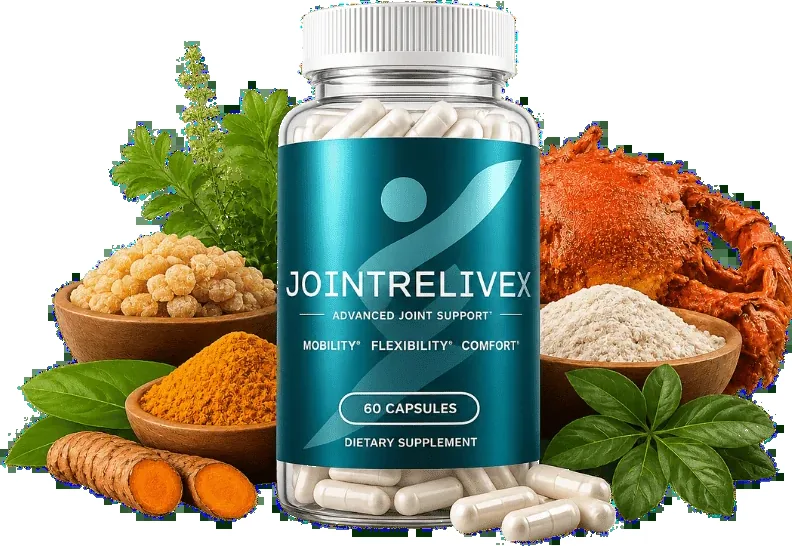
Joint supplements have a reassuring reputation: they are sold over the counter, they are "natural," and most people take them for years without incident. That reputation is broadly earned — the common ingredients have good safety records — but "generally safe" is not the same as "safe for everyone, always." The meaningful risks are rarely the ingredient itself; they are interactions with medication, a handful of specific health conditions, and quality problems in poorly made products. This guide walks through what to actually watch for, without either scaremongering or hand-waving.
The common, mild side effects
When side effects occur with joint supplements, they are usually minor and digestive. The typical complaints are:
- Gastrointestinal upset: nausea, heartburn, bloating, loose stools or mild stomach pain — the most frequently reported issues across glucosamine, chondroitin, turmeric and fish oil. Taking them with food often helps.
- Fishy aftertaste or reflux: specific to fish oil; enteric-coated forms or freezing the capsules can reduce it.
- Headache or drowsiness: occasionally reported, generally mild.
- Allergic reactions: less common but important — rash, itching or swelling means stop and seek advice. See the shellfish note below.
Most of these are dose-related and settle by taking the supplement with a meal or lowering the amount. Anything beyond mild — or any sign of a true allergic reaction — is a reason to stop and check with a professional.
Shellfish-source glucosamine: a real caution
This one catches people out. Most glucosamine, and much chondroitin, is derived from the shells of shrimp, crab and other shellfish. If you have a shellfish allergy, that matters. The allergy is usually to proteins in the flesh rather than the shell, and many people with shellfish allergy tolerate glucosamine, but the risk is not zero and it is not worth guessing about. If you are shellfish-allergic, either choose a clearly labelled vegetarian or fermented (corn-derived) glucosamine, or clear it with your doctor first. This is exactly the kind of detail a label check catches in ten seconds.

Glucosamine and blood sugar
Because glucosamine is an amino sugar, there has long been a theoretical concern that it might raise blood glucose or affect insulin sensitivity. The reassuring news is that most controlled studies have not found a meaningful effect at normal supplemental doses in people with or without diabetes. Still, "most studies" is not "all people." If you have diabetes or prediabetes, the sensible course is to keep an eye on your glucose readings when you start, and to mention the supplement to your doctor — a low-effort precaution rather than a reason to avoid it outright.
Interactions with blood thinners
This is the interaction that matters most, because the stakes — bleeding risk — are higher than a bit of stomach upset. Several joint-formula ingredients can nudge the body toward slower clotting:
- Fish oil (omega-3): can have a mild blood-thinning effect and may add to anticoagulant or antiplatelet medicines at higher doses.
- Curcumin (turmeric): may inhibit platelet aggregation, so it can theoretically amplify the effect of blood thinners.
- Bromelain: the pineapple enzyme also has mild antiplatelet activity.
- Glucosamine and chondroitin: less clear, but some reports suggest they may increase the effect of warfarin, raising INR.
If you take warfarin, a DOAC (such as apixaban or rivaroxaban), daily aspirin, or any antiplatelet or anticoagulant medicine, do not start a joint supplement without talking to your doctor or pharmacist. The same goes in the run-up to any surgery or dental procedure — many clinicians ask you to pause these supplements beforehand.
Turmeric, bile and the gallbladder
Turmeric and curcumin can stimulate bile production and gallbladder contraction. For most people that is unremarkable, but if you have gallstones or a bile-duct obstruction, that stimulation can cause problems, so turmeric supplements are best avoided or discussed with a doctor first. High-dose curcumin has also, rarely, been linked to liver issues, which is another reason to stick to label doses and pay attention to how you feel.
Quick-reference interaction table
| Ingredient | Main thing to watch | Who should check first |
|---|---|---|
| Glucosamine | Shellfish source; possible blood-sugar and warfarin effects | Shellfish allergy, diabetes, warfarin users |
| Chondroitin | Possible added effect with blood thinners | Anticoagulant users |
| Turmeric / curcumin | Bleeding risk; bile and gallbladder stimulation | Blood thinners, gallstones, liver conditions |
| Fish oil | Mild blood-thinning at higher doses | Anticoagulant users, pre-surgery |
| Bromelain | Mild antiplatelet activity; pineapple allergy | Blood thinners, pineapple allergy |
Who should be cautious or avoid them
A short list of people who should get medical advice before starting a joint supplement:
- Anyone pregnant or breastfeeding, where safety data is limited.
- Children and teenagers under 18, unless a clinician advises otherwise.
- People with a shellfish allergy (for shellfish-derived glucosamine or chondroitin).
- Anyone on blood thinners or facing surgery.
- People with diabetes, or with liver, gallbladder or kidney conditions.
None of this means joint supplements are dangerous. It means they are medicines-adjacent enough to deserve the same basic respect: know your interactions, read the label, and ask a professional when your situation is not the standard one.
Buying and dosing sensibly
A few habits keep you on the safe side. Stick to label doses rather than "more must be better." Choose products made in facilities that follow Good Manufacturing Practices and, ideally, carry third-party testing — supplements are regulated more loosely than drugs, so quality varies. Introduce one new supplement at a time so you can tell what causes any reaction. And give your pharmacist your full supplement list; they are the most accessible expert on interactions and the visit is free.
How this applies to JointReliveX
JointReliveX combines glucosamine, chondroitin, turmeric, boswellia and bromelain — so every consideration above applies to it directly, particularly the shellfish-source and blood-thinner points, since it contains several ingredients with mild antiplatelet activity. That is not a mark against the formula; it is simply the reality of any multi-ingredient joint product. Check the Supplement Facts panel, note the shellfish source if that applies to you, and — if you take medication, are pregnant or nursing, or manage a health condition — run it past your doctor or pharmacist before starting. A supplement supports everyday joint comfort; it does not diagnose, treat or cure anything, and a clinician remains the right call for persistent or worsening symptoms.
Frequently asked questions
Are joint supplements safe to take daily?
For most healthy adults, common joint supplements like glucosamine, chondroitin, curcumin and boswellia are generally well tolerated at label doses, and daily use is how they are meant to be taken. Side effects, when they happen, are usually mild and digestive. Safety changes if you are pregnant, take medication or have a health condition - that is when to check with a clinician first.
Can glucosamine affect blood sugar?
Possibly, though the evidence is mixed and any effect appears small for most people. Because glucosamine is an amino sugar, there has been theoretical concern it could influence blood glucose or insulin. Most studies have not found a meaningful effect at normal doses, but if you have diabetes or prediabetes it is sensible to monitor your levels and mention it to your doctor.
Do joint supplements interact with blood thinners?
They can. Fish oil, curcumin (turmeric) and, less clearly, glucosamine and chondroitin may add to the effect of anticoagulant or antiplatelet medicines, which could raise bleeding risk. If you take warfarin, a DOAC, aspirin or any blood thinner, talk to your doctor or pharmacist before starting a joint supplement, and especially before surgery.
Who should avoid joint supplements?
Anyone who is pregnant or breastfeeding, under 18, or has a shellfish allergy (many glucosamine and chondroitin products are shellfish-derived) should be cautious or avoid them without medical advice. So should people on blood thinners, those with diabetes, and anyone with liver, gallbladder or kidney conditions. When in doubt, clear it with a clinician first.
Related reading
- Joint Supplement Timeline: What to Expect
- The Best Time of Day to Take Joint Supplements
- Collagen vs Glucosamine for Joint Support
References
See the full JointReliveX review
Every ingredient, the current sale pricing and the 60-day guarantee — in one place.
Order Now