Curcumin Absorption: Why Black Pepper Matters
By the JointReliveX Editorial Team · Updated 9 August 2026 · about an 8-minute read
Why does black pepper matter for curcumin?
Curcumin, turmeric's active compound, is famously hard to absorb: most of a plain dose never reaches your blood. Piperine from black pepper slows the enzymes that clear it, raising bioavailability dramatically, by roughly twenty-fold in one well-known study. Formulation and a little dietary fat matter more than the raw milligram number.
- Plain curcumin is poorly absorbed and cleared fast.
- Piperine, phospholipid and nanoparticle formulas fix that in different ways.
- Read the label for a standardized, absorption-enhanced extract, not just total turmeric.
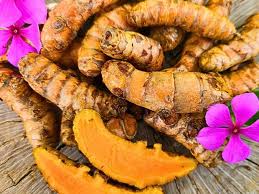
The paradox at the heart of turmeric
Curcumin is one of the better-studied natural anti-inflammatory compounds, with randomized trials suggesting it can reduce knee osteoarthritis pain, in several studies to a degree comparable with common anti-inflammatory drugs. And yet turmeric has a frustrating flaw: your body is remarkably bad at absorbing the very compound that does the work. This is the paradox that shapes the entire turmeric supplement market. Two products can list the same number of milligrams and deliver wildly different amounts of curcumin into your bloodstream, purely because of how they are formulated. If you understand absorption, you can read a turmeric label properly instead of being dazzled by a big number on the front.
Why curcumin is so poorly absorbed
Four things conspire against plain curcumin. First, it barely dissolves in water, so much of it never gets into a form the gut can take up. Second, what does get absorbed is rapidly metabolized in the intestinal wall and the liver, chemically altered before it can circulate. Third, it is cleared from the body quickly, so blood levels stay low even if some gets through. Fourth, a portion is simply not taken up and passes straight through. Put together, studies have long found that after a standard oral dose of plain curcumin, the concentration reaching the bloodstream is very low, sometimes barely detectable. That is not a reason to dismiss curcumin; it is the reason smart formulation exists.
How black pepper changes the equation
The most famous fix is also the simplest: black pepper. Piperine, the pungent compound in black pepper, inhibits some of the enzymes and transport systems that would otherwise break curcumin down and hustle it out of the body. Slow that clearance, and more curcumin lingers in circulation.
In a frequently cited human study, adding just a small amount of piperine increased curcumin bioavailability by about 2000 percent, roughly a twenty-fold jump, compared with curcumin alone.
That number gets repeated a lot, and real-world results depend on the specific formula and dose, so treat it as a striking illustration rather than a guarantee. But the direction is clear and well established: piperine meaningfully boosts how much curcumin you actually absorb. It is why so many turmeric supplements pair the two, and why even sprinkling black pepper on a turmeric-rich meal is not just tradition, it is pharmacology.

Beyond pepper: phospholipids, nanoparticles and more
Piperine is the original trick, but the industry has developed several other delivery technologies, each attacking a different part of the absorption problem.
Phospholipid complexes
Here curcumin is bound to phospholipids, the same kind of fat molecules that make up cell membranes. This makes it far easier for the gut to take up the fat-loving curcumin. Branded phytosome-style extracts use this approach and have shown substantially higher blood levels than plain curcumin in studies.
Nanoparticle and micellar delivery
Shrinking curcumin into nanoparticles, or wrapping it in tiny fat-and-water carriers called micelles, dramatically increases the surface area available for absorption and keeps it dissolved. Several of the highest-bioavailability branded curcumins on the market use one of these methods.
Whole-turmeric and essential-oil blends
Some products keep more of turmeric's natural oils, whose compounds may themselves aid absorption and add their own activity. These aim to mimic the plant more closely rather than isolating a single molecule.
The practical point is that a modern, well-formulated curcumin can deliver many times more active compound than a cheap, plain turmeric powder at the same labeled dose. Formulation is not marketing fluff here; it is the difference between a product that works and one that mostly passes through you.
How to read a turmeric label
Once you know the absorption story, a label tells you far more. Here is what to look for.
| On the label | What it tells you |
|---|---|
| Standardized to 95% curcuminoids | You are getting a concentrated extract, not just ground root |
| Piperine or black pepper extract | A classic, well-documented absorption enhancer is included |
| Phospholipid, phytosome, micellar or nano | An engineered delivery system for higher bioavailability |
| A named, branded extract | Often ties back to specific human absorption studies |
| Only total turmeric, no detail | A red flag; the number may overstate what you absorb |
A large front-of-pack milligram figure means little on its own. Turmeric powder standardized to nothing, with no absorption enhancer, can look impressive and still deliver very little curcumin. Conversely, a smaller dose of a highly bioavailable extract can put more active compound into your blood. Read the fine print, not the headline.
The simple, free upgrade: take it with fat
Because curcumin is fat-soluble, taking it with a meal that contains some fat helps it dissolve and be absorbed. This costs nothing, works with any formula, and stacks on top of piperine or phospholipid delivery rather than competing with it. If you take a turmeric capsule on an empty stomach with water, you are quietly working against yourself. Pair it with breakfast that has some oil, nuts, dairy or eggs, or with any meal containing fat, and you give it the best chance.
A note on dose and safety
More absorption is not automatically better in every situation. Piperine also affects how the body handles certain medications, so if you take prescription drugs it is worth checking with a pharmacist or clinician before using a high-piperine product. Turmeric and curcumin can also have mild blood-thinning effects, which matters if you take anticoagulants or are heading for surgery. As always, the goal is an effective dose that is also appropriate for you, not simply the largest number you can find.
How much curcumin do studies actually use?
Doses in the joint literature vary widely, which is part of why comparing products is confusing. Trials have used anywhere from a few hundred milligrams to well over a gram of curcuminoids per day, and the more bioavailable the formulation, the less raw material is typically needed to reach a meaningful blood level. That is the whole logic of absorption-enhanced products: a smaller, better-delivered dose can outperform a larger, poorly absorbed one. When you compare labels, the useful question is not merely how many milligrams of turmeric are listed, but how many milligrams of standardized curcuminoids are delivered, and whether the formula has any credible way of getting them into your system.
Common mistakes when buying turmeric
A few errors show up again and again. The first is buying on the front-of-pack number alone, where a big turmeric figure hides the fact that nothing is standardized and no absorption enhancer is present. The second is assuming a culinary turmeric powder and a standardized extract are interchangeable; they are not, because the spice is only a few percent curcuminoids by weight. The third is taking it on an empty stomach with water and expecting the same result as taking it with food. And the fourth is impatience: even a well-absorbed curcumin works over weeks, so it deserves a fair trial rather than a verdict after a few days. Avoid those four, and you are already ahead of most shoppers.
What this means for JointReliveX
JointReliveX includes turmeric as one of its anti-inflammatory ingredients, and because curcumin is the compound doing the work, the absorption details matter more than the raw turmeric figure. When you compare joint formulas, look past the front-of-pack number to how the turmeric is standardized and whether absorption is addressed, and check the Supplement Facts panel so you know what you are really getting rather than what the marketing implies.
References
Frequently asked questions
Why is curcumin so poorly absorbed?
Curcumin dissolves poorly in water, is broken down quickly in the gut and liver, and is cleared from the body fast. Together those traits mean that after a standard dose of plain turmeric, only a very small fraction of the curcumin ever reaches the bloodstream, which is why absorption-enhanced formulas exist.
How much does black pepper boost curcumin?
Piperine, the active compound in black pepper, slows the enzymes that break curcumin down. In one widely cited study, adding a small amount of piperine raised curcumin bioavailability by around 2000 percent, or roughly twenty-fold. Real-world results vary by formula, but even a pinch of black pepper meaningfully helps plain turmeric.
What is a bioavailable turmeric formula?
It is a turmeric or curcumin product designed to overcome poor absorption. Common approaches include adding piperine from black pepper, binding curcumin to phospholipids, using nanoparticle or micellar delivery, and pairing it with fats. The label usually names the branded extract and states it is standardized to a set percentage of curcuminoids.
Should I take turmeric with a fatty meal?
Generally yes. Curcumin is fat-soluble, so taking it alongside a meal that contains some fat can improve how much dissolves and gets absorbed. This is a simple, free way to help plain turmeric, and it stacks with formulation tricks like piperine or phospholipid delivery rather than replacing them.
Related reading
See the full JointReliveX review
Every ingredient, the current sale pricing and the 60-day guarantee — in one place.
Order Now