Turmeric vs NSAIDs for Knee Osteoarthritis: What the Evidence Shows
Written and fact-checked by the JointReliveX Editorial Team · supplement researchers who read the primary literature · Updated 9 August 2026 · about an 8-minute read
Does turmeric work as well as NSAIDs for knee osteoarthritis?
In several head-to-head trials, standardised curcumin from turmeric matched NSAIDs such as ibuprofen for knee osteoarthritis pain and function, with fewer stomach complaints. That is a genuinely strong result for a botanical, but it depends on well-absorbed extracts at studied doses, and turmeric is a support option, not a drug replacement you swap in unsupervised.
- Comparable pain and function in the studies — not automatically superior.
- Fewer gastrointestinal complaints than the NSAID groups.
- Never stop a prescribed medication without talking to your clinician.
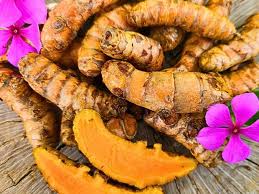
Why this comparison gets so much attention
Non-steroidal anti-inflammatory drugs — ibuprofen, naproxen, diclofenac and the rest — are the everyday workhorses for osteoarthritis pain. They work, but regular use carries real costs: stomach irritation, ulcers, bleeding risk, and concerns for the kidneys, blood pressure and heart in some people. So the obvious question is whether a well-tolerated botanical could do a similar job with a gentler side-effect profile. Turmeric is the botanical that has actually been put to that test in controlled comparisons, which is why it, rather than the dozens of other "anti-inflammatory" supplements, deserves a serious head-to-head article.
What the head-to-head trials found
The most useful evidence here is not "turmeric beat placebo" — it is the smaller set of studies that pitted standardised curcumin directly against an NSAID in people with knee osteoarthritis. Across several of these comparison trials, curcumin reduced pain and improved physical function to a degree that was statistically comparable to the NSAID, most often ibuprofen. In practical terms, the two groups ended up in a similar place on validated pain and function scores by the end of the study window.
That is a meaningful finding, and it is worth being precise about what it does and does not say. It says that, in these specific trials, a well-absorbed curcumin extract was not clearly worse than a standard anti-inflammatory drug for knee osteoarthritis symptoms. It does not say curcumin is stronger than an NSAID, it does not say every turmeric product will behave this way, and it does not extend to acute injuries or other conditions people take NSAIDs for.
The honest headline is "comparable, with fewer stomach complaints" — not "better than ibuprofen." Comparable is already a strong claim for a botanical, and it does not need inflating.
The stomach-safety difference
Where the comparison tilts in turmeric's favour is tolerability. In the head-to-head studies, the curcumin groups generally reported fewer gastrointestinal complaints than the NSAID groups. This fits what is already well established about NSAIDs: they blunt the prostaglandins that protect the stomach lining, which is why regular use is linked to indigestion, ulcers and, in some people, serious bleeding. Curcumin does not work that way, and was better tolerated in the digestive tract in these trials.
That said, "better tolerated" is not "side-effect free." Turmeric and curcumin can still cause mild nausea, loose stools or reflux in some people, and high doses are not automatically harmless. The realistic point is a gentler stomach profile in the studies, not a guarantee of zero effects.
The absorption catch you cannot ignore
Here is the detail that separates a product that behaves like the trials from one that does nothing: plain curcumin is poorly absorbed. Swallow ordinary turmeric powder and most of the curcumin passes through with little reaching your bloodstream. The studies that matched NSAIDs did not use kitchen turmeric — they used standardised extracts, often paired with an absorption enhancer such as piperine (black pepper extract) or built into a specialised delivery system. If a supplement skips that step, the same milligram number on the label can deliver a fraction of the active compound.
This is why, when you read a joint-supplement label, the curcumin details deserve more scrutiny than almost anything else on the panel. We cover the mechanics in depth in our guide to curcumin absorption with black pepper and piperine. The short version: standardisation and an absorption strategy matter more than a big raw turmeric number.
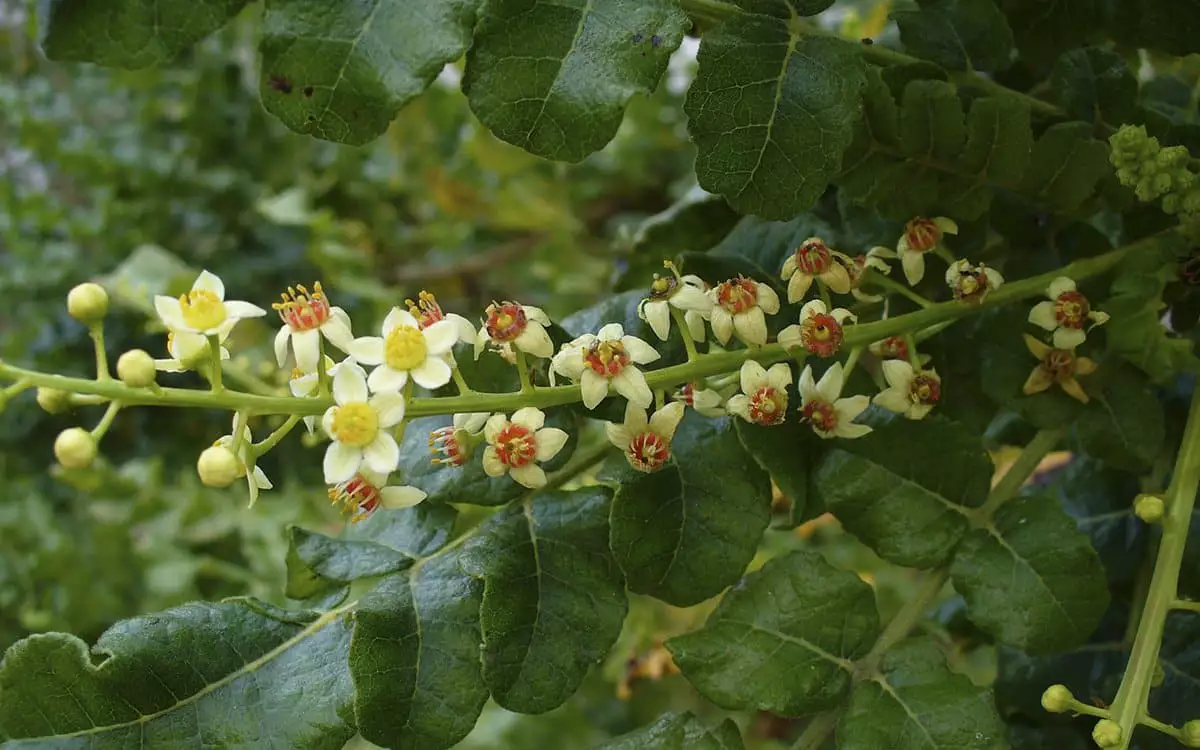
How much curcumin did the studies use?
Dose is the other place products drift from the evidence. The comparison trials typically used somewhere in the region of 1,000 to 1,500 mg of a standardised curcumin extract per day, usually split into divided doses across the day. Combined with an absorption enhancer, that is a very different exposure from a single small capsule of generic turmeric. When you evaluate a product, the question is not "does it contain turmeric" but "does the standardised curcumin dose, and its absorption approach, resemble what was actually tested?"
What turmeric is not
It is worth stating the boundaries plainly, because this is exactly where supplement marketing tends to overreach. Turmeric is a dietary supplement, not a drug. The comparison trials looked at chronic knee osteoarthritis symptoms over a defined period; they are not evidence that curcumin can replace an NSAID prescribed for another reason, manage an acute flare on demand, or substitute for medical care. Curcumin also acts gradually — it is not an on-the-spot painkiller you take when a knee twinges. Framing it as a slow, supportive option keeps expectations honest.
Should you swap your NSAID for turmeric?
This is the practical question, and the responsible answer is: that is a conversation with your clinician, not a decision to make from a blog. There are good reasons someone might want to reduce NSAID use — stomach trouble, bleeding risk, or a doctor's advice — and the comparison evidence makes turmeric a reasonable thing to raise in that conversation. But several caveats apply at once. Both curcumin and NSAIDs can affect bleeding, so combining them, or taking either alongside a blood thinner, needs medical input. People on other medications, or who are pregnant or nursing, have their own considerations. And no supplement should be used to push through pain that is a signal something needs attention.
If you are considering trading a prescribed medicine for a supplement, the safe move is to bring the evidence to the person who prescribed it — not to stop the drug and hope.
A fair way to think about it
Put together, the evidence supports a measured position. For chronic knee osteoarthritis, a well-absorbed, standardised curcumin extract has performed comparably to NSAIDs on pain and function in several trials, with fewer stomach complaints — which makes it a legitimate support option, especially for people who tolerate NSAIDs poorly. The two big asterisks are absorption and dose: a product only earns the comparison if it resembles what was studied. And the medical decision to reduce or replace a drug belongs with a professional. Curcumin is often studied next to boswellia serrata, and both sit within a broader picture that includes anti-inflammatory foods, movement and weight management — not a single magic capsule.
Where JointReliveX fits
JointReliveX leans on curcumin and boswellia — the better-evidenced anti-inflammatory botanicals — alongside its cartilage-matrix ingredients. If you try it, apply the same scrutiny described here: check the standardised curcumin amount and absorption approach on the Supplement Facts panel, give it a genuine multi-week trial, and keep your clinician in the loop on any medication you take for your joints.
References
Related reading
Frequently asked questions
Does turmeric relieve knee pain as well as ibuprofen?
In several head-to-head trials, standardised curcumin extracts reduced knee osteoarthritis pain and improved function to a degree comparable with ibuprofen. That is a strong result for a botanical, but it comes from specific standardised extracts at studied doses, so it does not mean any turmeric spice or low-dose capsule will match a drug.
Is turmeric safer than NSAIDs for the stomach?
In the comparison studies, the curcumin groups generally reported fewer gastrointestinal complaints than the NSAID groups. NSAIDs are well known to irritate the stomach lining and can raise the risk of ulcers and bleeding with regular use, whereas curcumin was better tolerated. Turmeric can still cause mild digestive upset in some people.
How much curcumin was used in the trials?
Comparison trials typically used roughly 1,000 to 1,500 milligrams of a standardised curcumin extract per day, usually split into divided doses. Because plain curcumin is poorly absorbed, many studies used formulations with an absorption enhancer such as piperine or a specialised delivery system, which matters far more than the raw turmeric amount.
Can I take turmeric alongside my prescribed NSAID?
Possibly, but this is a question for your clinician, not a website. Both curcumin and NSAIDs can affect bleeding risk, and turmeric may interact with blood thinners and some other medicines. Never stop or change a prescribed medication on your own; discuss combining or tapering with the professional who prescribed it.
See the full JointReliveX review
Every ingredient, the current sale pricing and the 60-day guarantee — in one place.
Order Now